









FINANCING EXAMPLES

CATALYST COMMUNITY DEVELOPMENTS SOCIETY

Tofino, BC

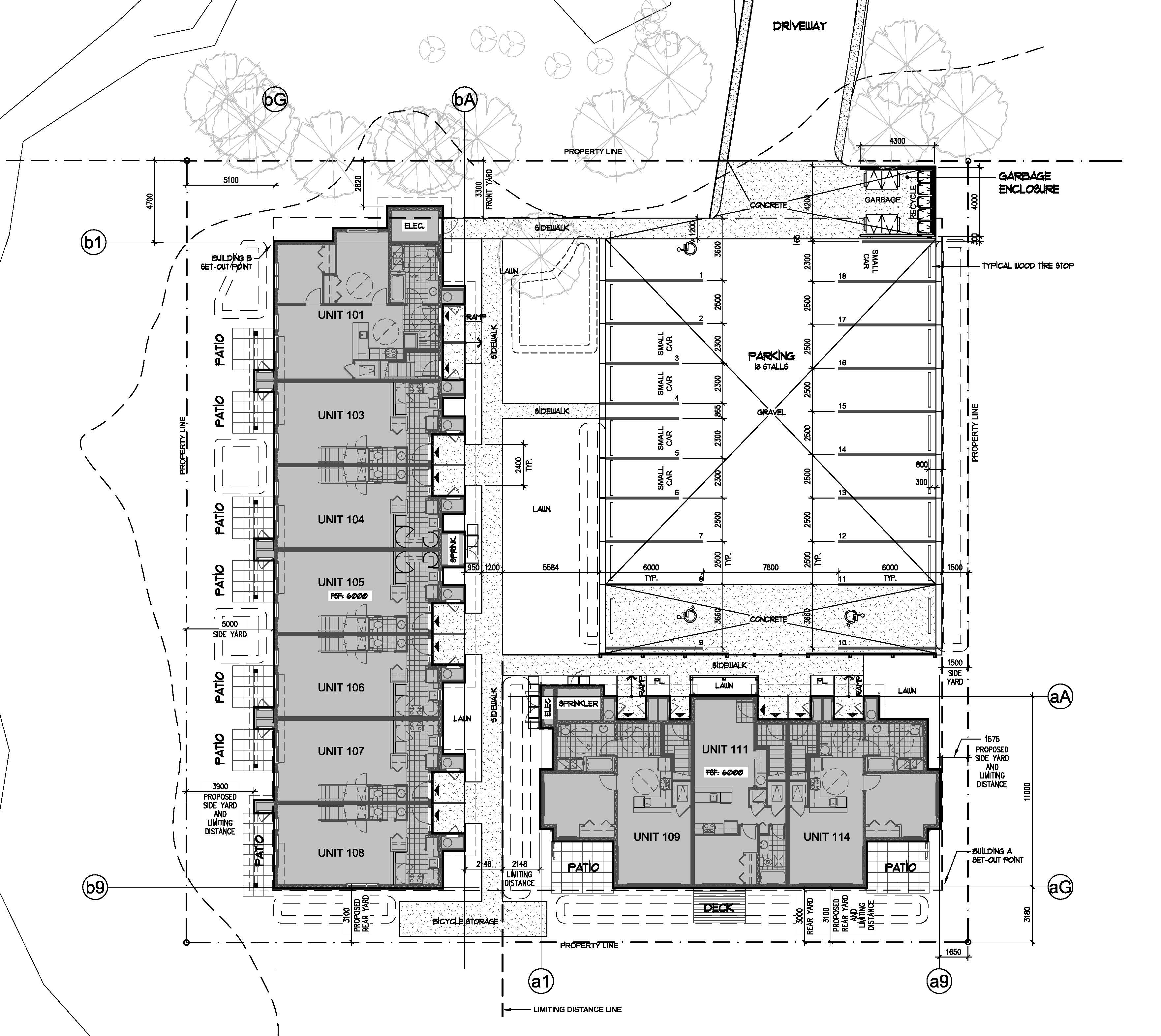
Our work with Catalyst will support the construction of 14 new affordable housing units in Tofino, BC.

  • Target Community: Workforce and Families
  • Sector: Housing

Catalyst Community Developments Society (“Catalyst”) is a non-profit real estate developer based in Vancouver, BC that was established in 2013. To date the organization has completed development on approximately 180 homes, with that number anticipated to grow over the next few years to over 700 below-market rental homes for over 1,300 people whose household incomes are generally between $30,000 and $108,000 per year.

Catalyst is undertaking a project to construct 14 new affordable housing units in Tofino, BC. Tofino has a very young population with small households, including many lower income single person households, making the mismatch between incomes and home prices particularly acute. The large influx of both tourists and seasonal workers exacerbates housing problems in the summer months as much of the available housing is turned over to the vacation rental market. While some employers provide accommodation for their staff, there is an acute shortage of affordable and appropriate accommodation for seasonal non-resident workers.

In order to continue moving project approvals forward and maintain project momentum, Catalyst required bridge financing prior to accessing its construction financing.

CFF worked closely with Catalyst to structure a financing tool that would best meet its needs. In 2020, CFF provided Catalyst with a bridge loan to help support its operations and pre-development work on the project while construction financing was secured.

The construction of these 14 new units of affordable housing will help to alleviate the acute housing shortage in Tofino by providing homes for several community members including several of its seasonal workers.

ST. HILDA’S TOWERS INC.

Toronto, ON

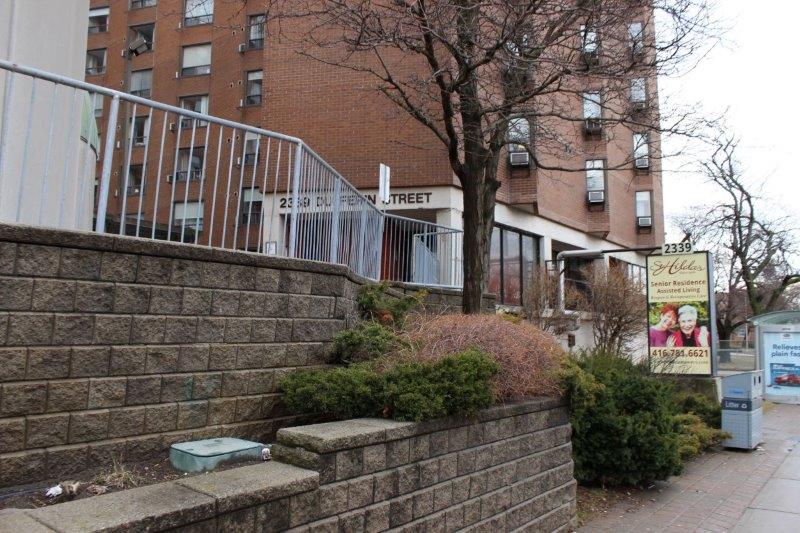
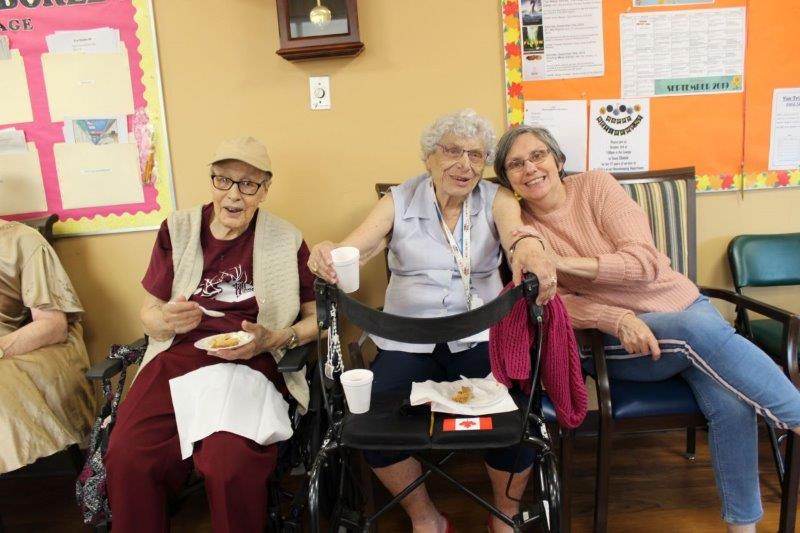
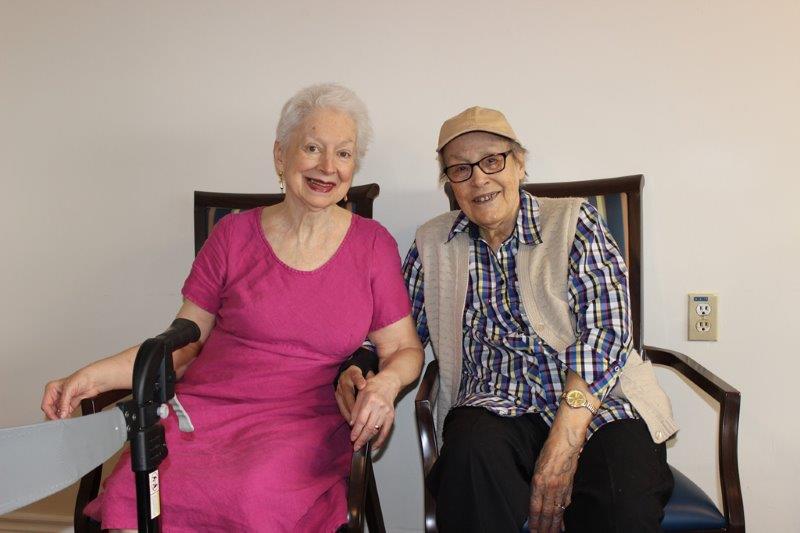
Our work with St. Hilda’s will support the renovation and refurbishment of 333 affordable housing units for seniors.

  • Target Community: Low-income seniors
  • Sector: Housing

St. Hilda’s Towers Inc. (“St. Hilda’s”) is a non-profit housing community that has been providing affordable housing and healthcare assistance to seniors in Toronto since 1977. St. Hilda’s is undergoing a project to substantially renovate and refurbish two of its three towers. In order to continue moving project approvals forward and maintain project momentum, St. Hilda’s required bridge financing prior to accessing its construction financing.

CFF worked closely with St. Hilda’s to structure a financing tool that would best meet its needs. In 2020, CFF provided St. Hilda’s with a bridge loan to help support its operations and predevelopment work on the project while construction financing was secured.

The refurbishment of the two housing towers will modernize 333 units of affordable rental housing for seniors. The project will substantially renovate the towers including increased accessibility, improved building systems, an energy retrofit, unit repairs, podium modernization and an additional 20 to 30 new apartment units. St. Hilda’s residents will enjoy continued affordable housing and healthcare assistance in the newly renovated buildings.

ST. HILDA’S TOWERS INC.

Toronto, ON

Our work with St. Hilda’s will support the renovation and refurbishment of 333 affordable housing units for seniors.

  • Target Community: Low-income seniors
  • Sector: Housing

St. Hilda’s Towers Inc. (“St. Hilda’s”) is a non-profit housing community that has been providing affordable housing and healthcare assistance to seniors in Toronto since 1977. St. Hilda’s is undergoing a project to substantially renovate and refurbish two of its three towers. In order to continue moving project approvals forward and maintain project momentum, St. Hilda’s required bridge financing prior to accessing its construction financing.

CFF worked closely with St. Hilda’s to structure a financing tool that would best meet its needs. In 2020, CFF provided St. Hilda’s with a bridge loan to help support its operations and predevelopment work on the project while construction financing was secured.

The refurbishment of the two housing towers will modernize 333 units of affordable rental housing for seniors. The project will substantially renovate the towers including increased accessibility, improved building systems, an energy retrofit, unit repairs, podium modernization and an additional 20 to 30 new apartment units. St. Hilda’s residents will enjoy continued affordable housing and healthcare assistance in the newly renovated buildings.

ULNOOWEG DEVELOPMENT GROUP

Truro, NS

Our work with Ulnooweg will help the organization better meet the demand for loans from its Mi’kmaq and Maliseet First Nations and Inuit community members.

  • Target Community: Indigenous communities in Atlantic Canada
  • Sector: Financial Services

Ulnooweg is a non-profit Aboriginal Financial Institution that supports 34 Mi’kmaq and Maliseet First Nations and Inuit communities. It has more than 67,000 members across Atlantic Canada and has disbursed over $66 million to the Atlantic Canada Indigenous community in the form of business loans. Ulnooweg also supports its members with economic development planning and supporting financial capacity building and awareness.

Ulnooweg’s loan demand has recently begun to exceed its available capital and federal government funding support. In order to meet the needs of its community, Ulnooweg sought financing from the Community Forward Fund.

CFF worked closely with Ulnooweg to structure a financing tool that would best meet its needs. In 2018, CFF provided Ulnooweg with a loan in the form of a revolving credit structure.

In 2016/2017 alone, Ulnooweg funded over $4.5 million in loans to 22 new clients and 13 existing clients that resulted in the creation of 29 full-time jobs and the maintenance of 96 other jobs. Ulnooweg expects its funding capacity and the resulting impact in terms of community development and jobs created to increase with the 2018 loan from CFF.

ADOPT4LIFE

Toronto, ON

Our work with Adopt4Life will help the organization deliver uninterrupted peer and family supports, for adoptive, kin, and customary care parents creating permanency for children

  • Target Community: Families formed through adoption, kinship and customary care
  • Sector: Social Services

Adopt4Life (“A4L”) was founded in 2011 and serves as Ontario’s association for kin, customary care and adoptive parents and caregivers. The organization fosters a community of people with lived experience that strengthens and empowers parents and caregivers to achieve permanency for children so that they can reach their full potential. A4L’s model is based on peer support with individualized professional support as needed. A4L partners with regional organizations and agencies so as to provide its community with the best possible resources and services. All of A4L’s services are provided to the community free of charge.

A4L’s primary program is the Parent2Parent Support Network. This program supports parents throughout their adoption journeys with one-on-one support, online support groups, advocacy, virtual and in-person meet-ups and buddy and mentor matching. In 2019 alone, A4L organized and facilitated ~150 support group meetings across Ontario, benefitting their community of over 1200 parents and caregivers, in addition to one-on-one and peer-to-peer meetings.

A4L receives funding from the Ministry of Community, Children, and Social Services for the province of Ontario. Each year, 10% of A4L’s annual funding is withheld until final reporting and outcomes have been delivered and completed.  As a small registered charity, Adopt4Life did not have the flexible reserves to bridge those funds without affecting parents and families.

Adopt4Life approached Community Forward Fund for support in bridging the government funds withheld while the organization finalized its annual reporting. CFF worked with A4L to structure a loan that would meet its cashflow needs and support its continued successful operations.

A4L has supported over 1,100 parents and caregivers to date who are registered for peer and mentor support services. A4L families also receive one-on-one support including training, support resources and mental health and medical referrals to specialists. Over 12,000 children are in the child welfare system in Ontario and are looking for homes. Studies show that ~90% of children who age out of care at the time of adulthood have poor outcomes later on – including having to rely on social services within six months of becoming an adult. The services that A4L provides its community will continue to work towards helping families form permanent, supportive homes and building healthy attachments that support healing from past traumas and losses.

ADOPT4LIFE

Toronto, ON

Our work with Adopt4Life will help the organization deliver uninterrupted peer and family supports, for adoptive, kin, and customary care parents creating permanency for children.

  • Target Community: Families formed through adoption, kinship and customary care
  • Sector: Social Services

Adopt4Life (“A4L”) was founded in 2011 and serves as Ontario’s association for kin, customary care and adoptive parents and caregivers. The organization fosters a community of people with lived experience that strengthens and empowers parents and caregivers to achieve permanency for children so that they can reach their full potential. A4L’s model is based on peer support with individualized professional support as needed. A4L partners with regional organizations and agencies so as to provide its community with the best possible resources and services. All of A4L’s services are provided to the community free of charge.

A4L’s primary program is the Parent2Parent Support Network. This program supports parents throughout their adoption journeys with one-on-one support, online support groups, advocacy, virtual and in-person meet-ups and buddy and mentor matching. In 2019 alone, A4L organized and facilitated ~150 support group meetings across Ontario, benefitting their community of over 1200 parents and caregivers, in addition to one-on-one and peer-to-peer meetings.

A4L receives funding from the Ministry of Community, Children, and Social Services for the province of Ontario. Each year, 10% of A4L’s annual funding is withheld until final reporting and outcomes have been delivered and completed.  As a small registered charity, Adopt4Life did not have the flexible reserves to bridge those funds without affecting parents and families.

Adopt4Life approached Community Forward Fund for support in bridging the government funds withheld while the organization finalized its annual reporting. CFF worked with A4L to structure a loan that would meet its cashflow needs and support its continued successful operations.

A4L has supported over 1,100 parents and caregivers to date who are registered for peer and mentor support services. A4L families also receive one-on-one support including training, support resources and mental health and medical referrals to specialists. Over 12,000 children are in the child welfare system in Ontario and are looking for homes. Studies show that ~90% of children who age out of care at the time of adulthood have poor outcomes later on – including having to rely on social services within six months of becoming an adult. The services that A4L provides its community will continue to work towards helping families form permanent, supportive homes and building healthy attachments that support healing from past traumas and losses.

PEGASUS COMMUNITY PROJECT

Toronto, ON

Our work with Pegasus Community Project will help the organization purchase and refurbish a new space to run its programming.

  • Target Community:  Adults with developmental disabilities
  • Sector: Health and Social Services

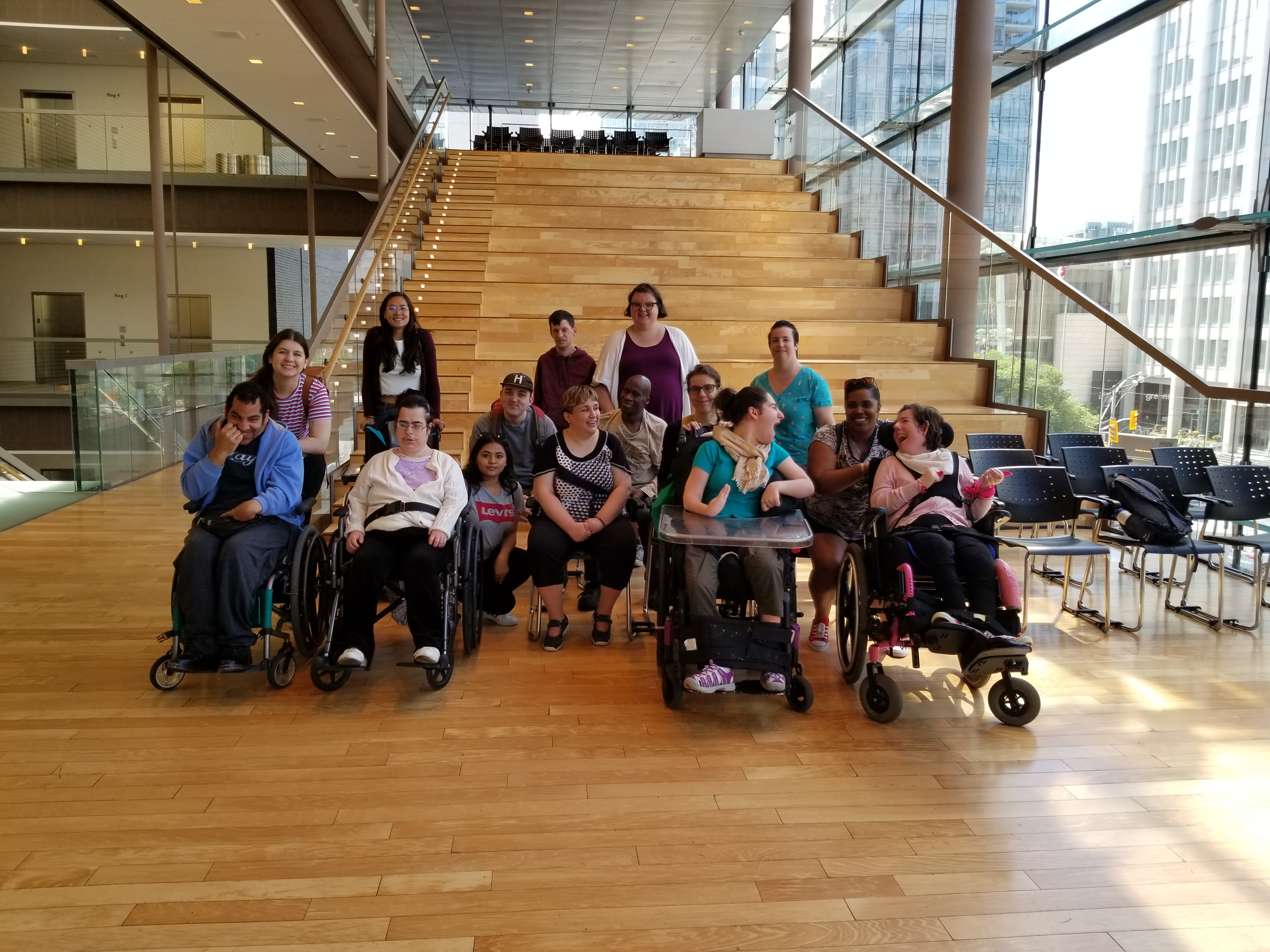
Pegasus Community Project (“Pegasus”) was founded in 1994 by a small group of volunteers in response to a need they saw in the community. Pegasus believes that all citizens are entitled to the opportunity to participate in the life of their community and to grow as individuals. As such, Pegasus offers citizens with developmental disabilities these opportunities and supports them in planning their lives and making personal choices.

Pegasus currently has four separate program sites as well as a Thrift Store which all provide participant support and programming. Programming includes physical activity, creative endeavours, job coaching and community involvement. At one of its program sites, Pegasus has experienced difficulties with consistently available space. In order to provide consistent programming space for its participants, Pegasus wanted to acquire its own space.

Pegasus approached Community Forward Fund for support in financing the purchase of its own new space. The organization identified two commercial units in East Toronto that were perfect for its needs. CFF provided Pegasus with a mortgage for its new space and financing to support the renovations of the space.

Pegasus currently offers programming to over 50 individuals from Monday to Friday for 11 and a half months of the year. With over 1,500 square feet of new space that it owns, Pegasus plans to serve more individuals and to expand its programming schedule to include evenings and weekends.

SOLIDES

Châteauguay, QC

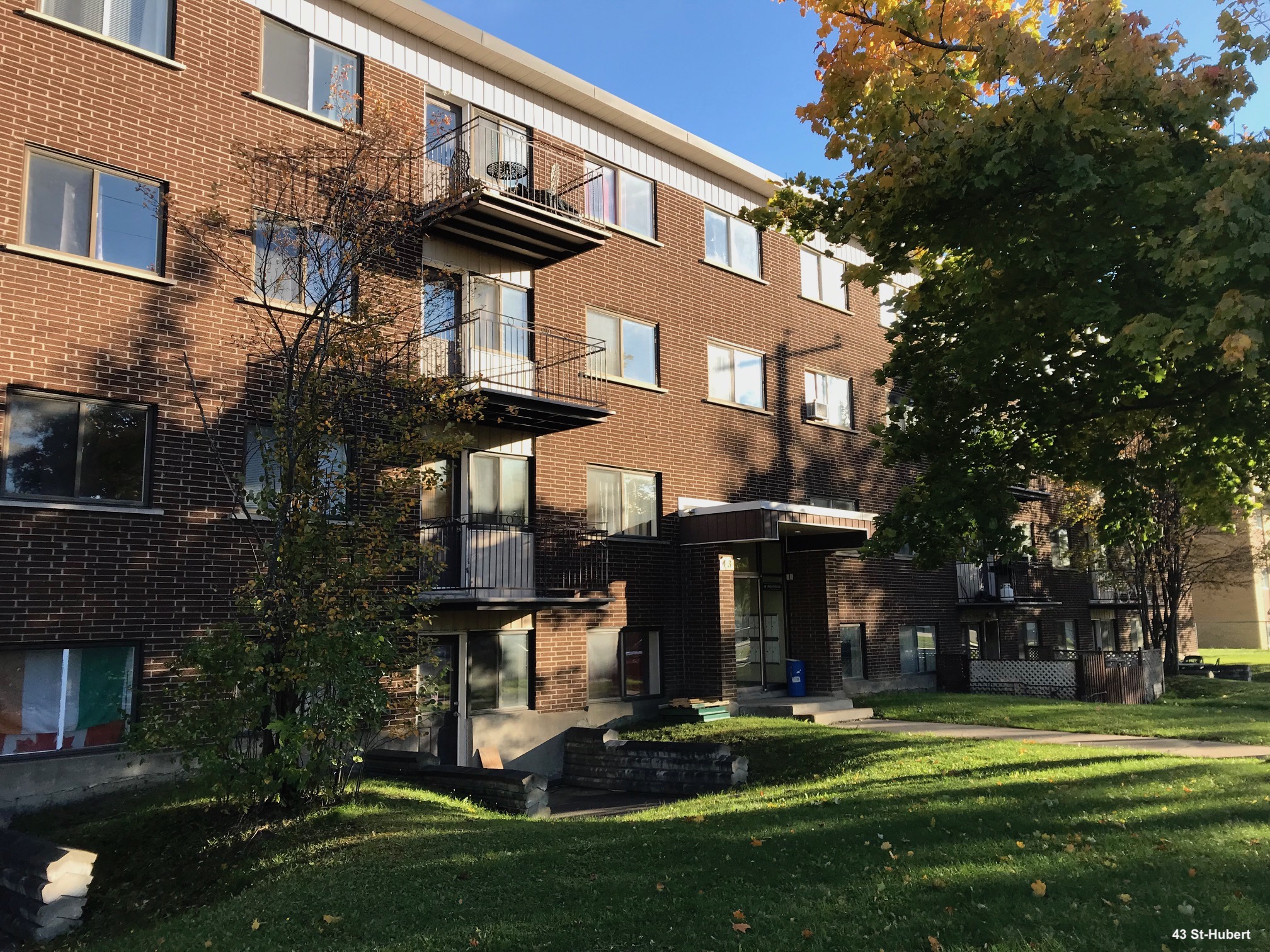
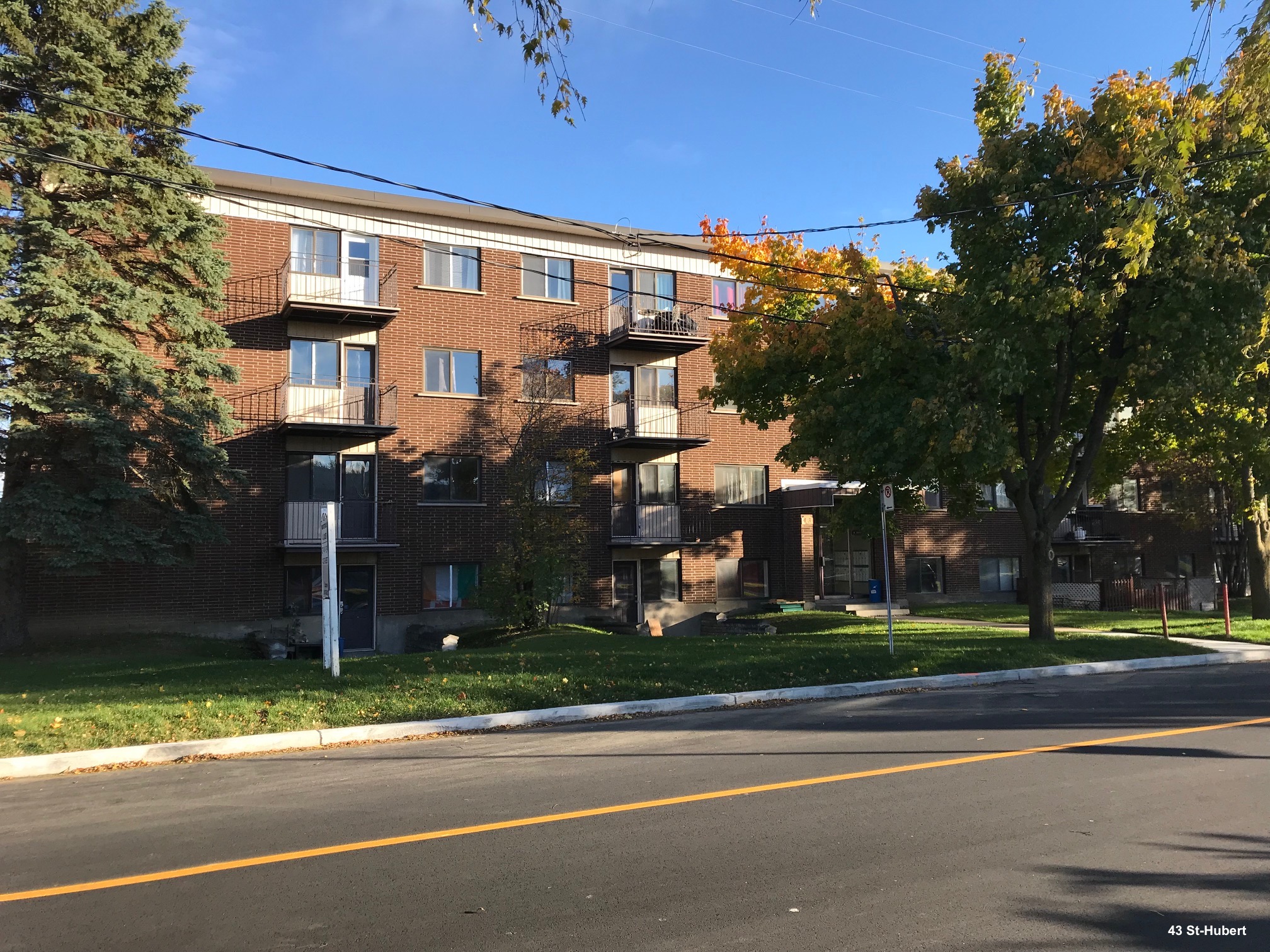
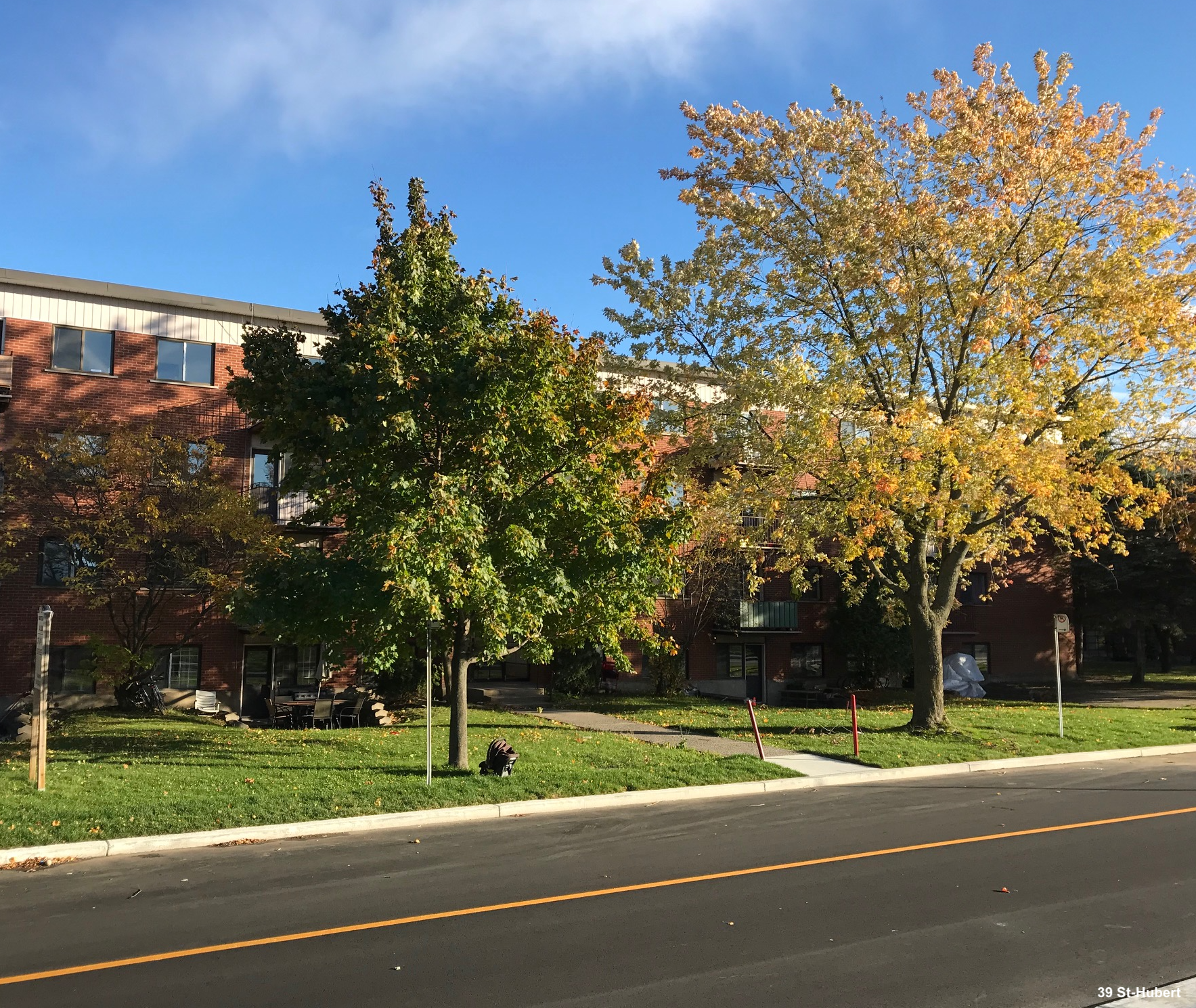
Our work with SOLIDES helped them purchase two affordable housing properties and ensure that the buildings will not be sold to the private sector but instead will provide safe, affordable housing for 70 households for the foreseeable future.

  • Target Community:  Low-income households
  • Sector: Housing

SOLIDES was set up in 2000 by the Comité Logement Rive-Sud, an organization promoting tenants’ rights and developing social housing. The main function of SOLIDES is to provide the greatest number of tenants with quality housing at an affordable cost. To do this two strategies are used:

1) SOLIDES purchases private buildings, provides rigorous management and reinvests the building’s income into quality improvements. Equity on these properties is often used to finance leasehold improvements or to finance new purchases.

2) SOLIDES also constructs or purchases and renovates residential buildings with the Government of Quebec’s social housing program, AccèsLogis.

Since its foundation SOLIDES has completed 19 projects. Two of these projects were new construction (91 units), 4 were purchases-renovations and 13 were simple purchases. Currently SOLIDES owns 36 buildings including a youth centre that is rented to a partner. In addition, with this partner SOLIDES operates a prevention program for homelessness for young people and adults.

With the exception of the specific groups mentioned above, SOLIDES helps all types of low- and middle- income tenants. Its 460 units are diverse (from small studios to large 4 bedrooms) and meet all needs. The vast majority of people who use SOLIDES services are low-income workers, welfare recipients, young people for whom it is their first apartment, pensioners, single-parents, newcomers to Canada and persons discriminated against by private owners. SOLIDES collaborates regularly with two groups of women from the South Shore and participates in various coalitions of community organizations.

A challenge arose when two buildings totaling 70 units went up for sale in Châteauguay. These buildings are inhabited by low-income households and needed to be protected from speculation, but also needed to be better managed and renovated. SOLIDES’ financial institution was willing to finance these acquisitions and the Canadian Mortgage and Housing Corporation was ready to guarantee these loans, however, SOLIDES ‘ did not have sufficient funds for the down payment of 15% as most of its equity is tied up in other buildings or was used for other acquisitions.

SOLIDES approached Community Forward Fund (CFF) by way of New Market Funds (NMF), an impact investing firm. Both CFF and NMF have objectives that SOLIDES identified with and tools meet their needs. SOLIDES found the teams easy to approach and very collaborative. Despite all of SOLIDES’ efforts with many institutions and many funds over 20 years, only NMF, CFF and our main financial institution, the Caisse d’économie solidaire, could offer the financing required to purchase the two buildings and convert the projects into success.

Because SOLIDES was able to purchase these two buildings, 70 households will be safe from speculation and the transformation of their homes into condominiums even if they are located downtown and close to all services. Furthermore, rent increases will be limited as much as possible as is the practice for all SOLIDES buildings.

Tenants will gradually see the quality of their buildings and housing improve. In fact, SOLIDES will start work, from the first days of operations, to protect the buildings against the infiltration of water and against the spread of fires. Improvements in the maintenance and management of buildings, tenants and the environment will also benefit the neighbourhood and the three schools that are nearby.

Photos and a live recording from the press conference can be found here. You can read more about SOLIDES impact in the community here in its annual report and here in its Economic Impact Report.

SOLIDES

Châteauguay, QC

Our work with SOLIDES helped them purchase two affordable housing properties and ensure that the buildings will not be sold to the private sector but instead will provide safe, affordable housing for 70 households for the foreseeable future.

  • Target Community:  Low-income households
  • Sector: Housing

SOLIDES was set up in 2000 by the Comité Logement Rive-Sud, an organization promoting tenants’ rights and developing social housing. The main function of SOLIDES is to provide the greatest number of tenants with quality housing at an affordable cost. To do this two strategies are used:

1) SOLIDES purchases private buildings, provides rigorous management and reinvestments the building’s income into quality improvements. Equity on these properties is often used to finance leasehold improvements or to finance new purchases.

2) SOLIDES also constructs or purchases and renovates residential buildings with the Government of Quebec’s social housing program, AccèsLogis.

Since its foundation SOLIDES has completed 19 projects. Two of these projects were new construction (91 units), 4 were purchases-renovations and 13 were simple purchases. Currently SOLIDES owns 36 buildings including a youth centre that is rented to a partner. In addition, with this partner SOLIDES operates a prevention program for homelessness for young people and adults.

With the exception of the specific groups mentioned above, SOLIDES helps all types of low- and middle- income tenants. Its 460 units are diverse (from small studios to large 4 bedrooms) and meet all needs. The vast majority of people who use SOLIDES services are low-income workers, welfare recipients, young people for whom it is their first apartment, pensioners, single-parents, newcomers to Canada and persons discriminated against by private owners. SOLIDES collaborates regularly with two groups of women from the South Shore and participates in various coalitions of community organizations.

A challenge arose when two buildings totaling 70 units went up for sale in Châteauguay. These buildings are inhabited by low-income households and needed to be protected from speculation, but also needed to be better managed and renovated. SOLIDES’ financial institution was willing to finance these acquisitions and the Canadian Mortgage and Housing Corporation was ready to guarantee these loans, however, SOLIDES ‘ did not have sufficient funds for the down payment of 15% as most of its equity is tied up in other buildings or was used for other acquisitions.

SOLIDES approached Community Forward Fund (CFF) by way of New Market Funds (NMF), an impact investing firm. Both CFF and NMF have objectives that SOLIDES identified with and tools meet their needs. SOLIDES found the teams easy to approach and very collaborative. Despite all of SOLIDES’ efforts with many institutions and many funds over 20 years, only NMF, CFF and our main financial institution, the Caisse d’économie solidaire, could offer the financing required to purchase the two buildings and convert the projects into success.

Because SOLIDES was able to purchase these two buildings, 70 households will be safe from speculation and the transformation of their homes into condominiums even if they are located downtown and close to all services. Furthermore, rent increases will be limited as much as possible as is the practice for all SOLIDES buildings.

Tenants will gradually see the quality of their buildings and housing improve. In fact, SOLIDES will start work, from the first days of operations, to protect the buildings against the infiltration of water and against the spread of fires. Improvements in the maintenance and management of buildings, tenants and the environment will also benefit the neighbourhood and the three schools that are nearby.

You can read more about SOLIDES impact in the community here in its annual report and here in its Economic Impact Report.

Old Grace Housing Co-operative

Winnipeg, MB

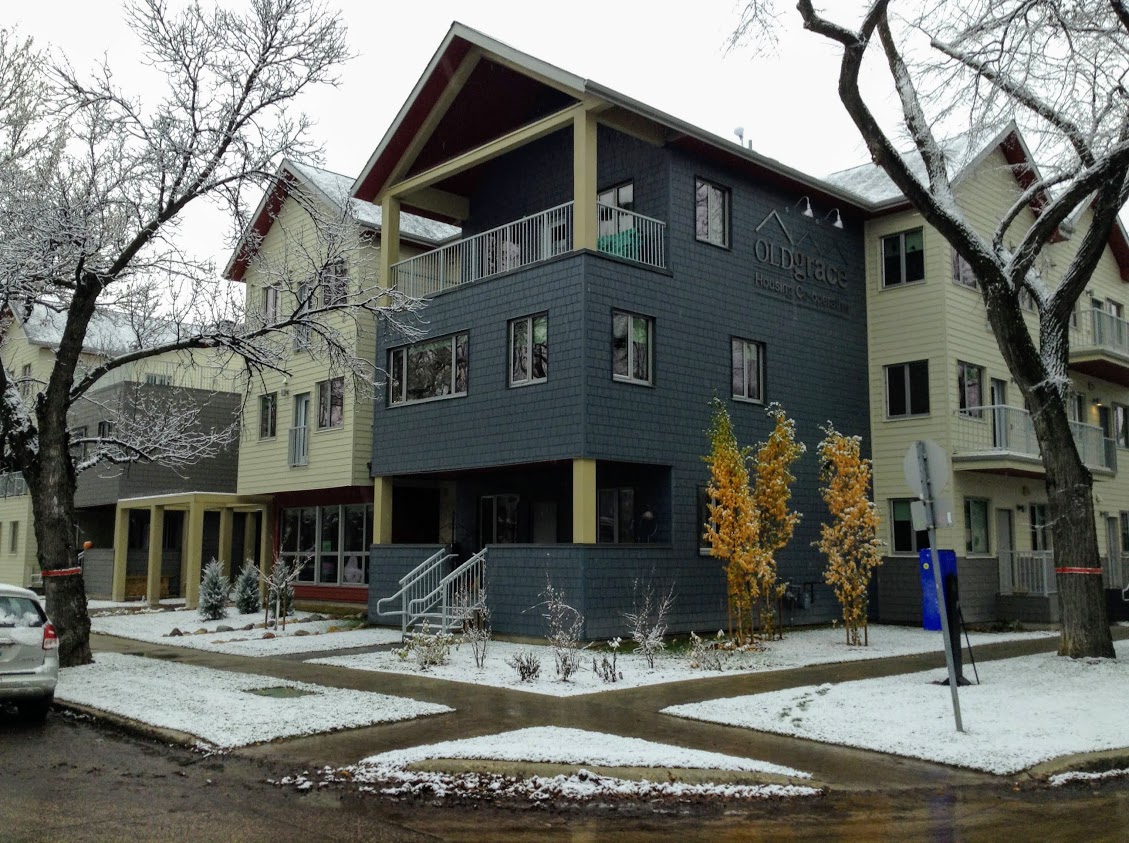
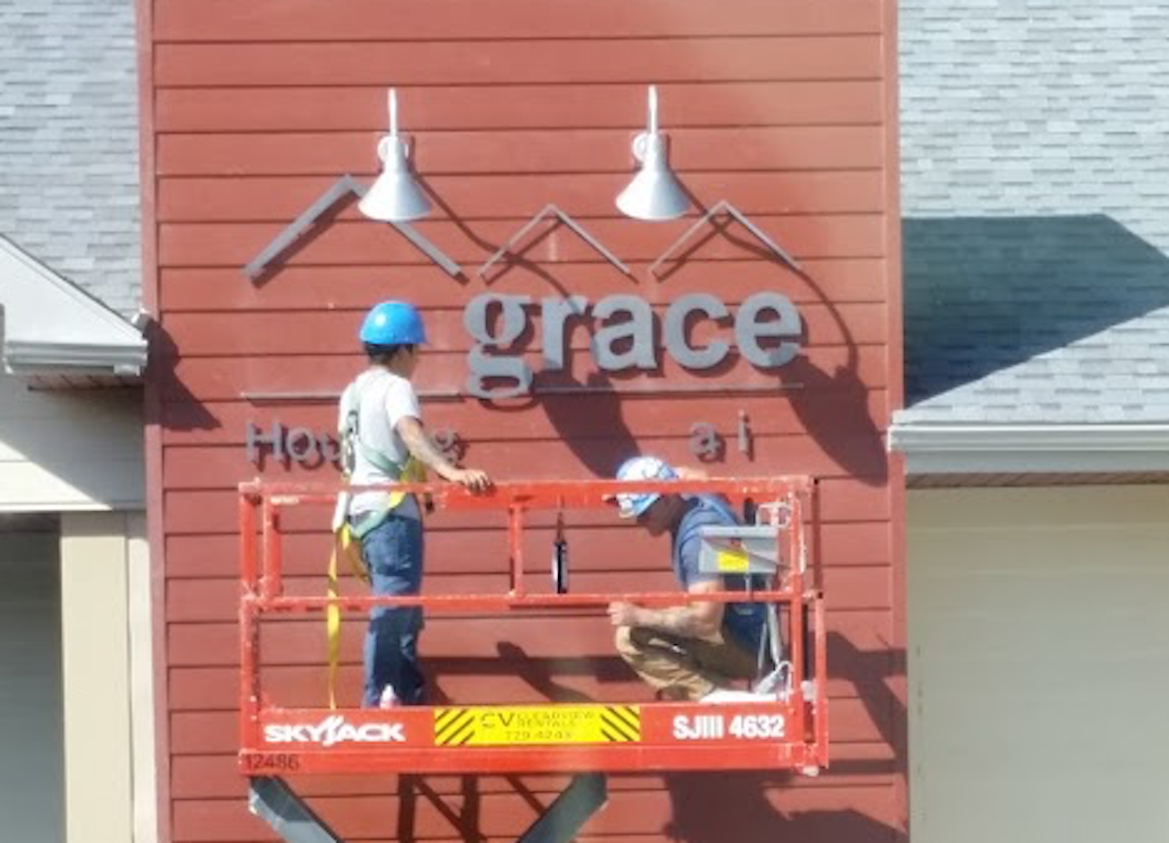
Our work with Old Grace Housing Co-operative facilitated the creation of a new 64-unit mixed income, multi-generational housing co-operative in Winnipeg, Manitoba.

  • Target Community: Mixed-income community members
  • Sector: Housing

Old Grace Housing Co-operative’s financing package consisted of a forgivable loan from Manitoba Housing, those tax credits and grants available to non-profit housing projects, equity in the form of ultimately refundable Member Shares and a large mortgage from its lender, Assiniboine Credit Union. Due to the limited public funding available, its Member Shares were substantial. For the subsidized Affordable units, they still ranged between $16,000 for a 1BR suite and $28,000 for a 4BR suite.

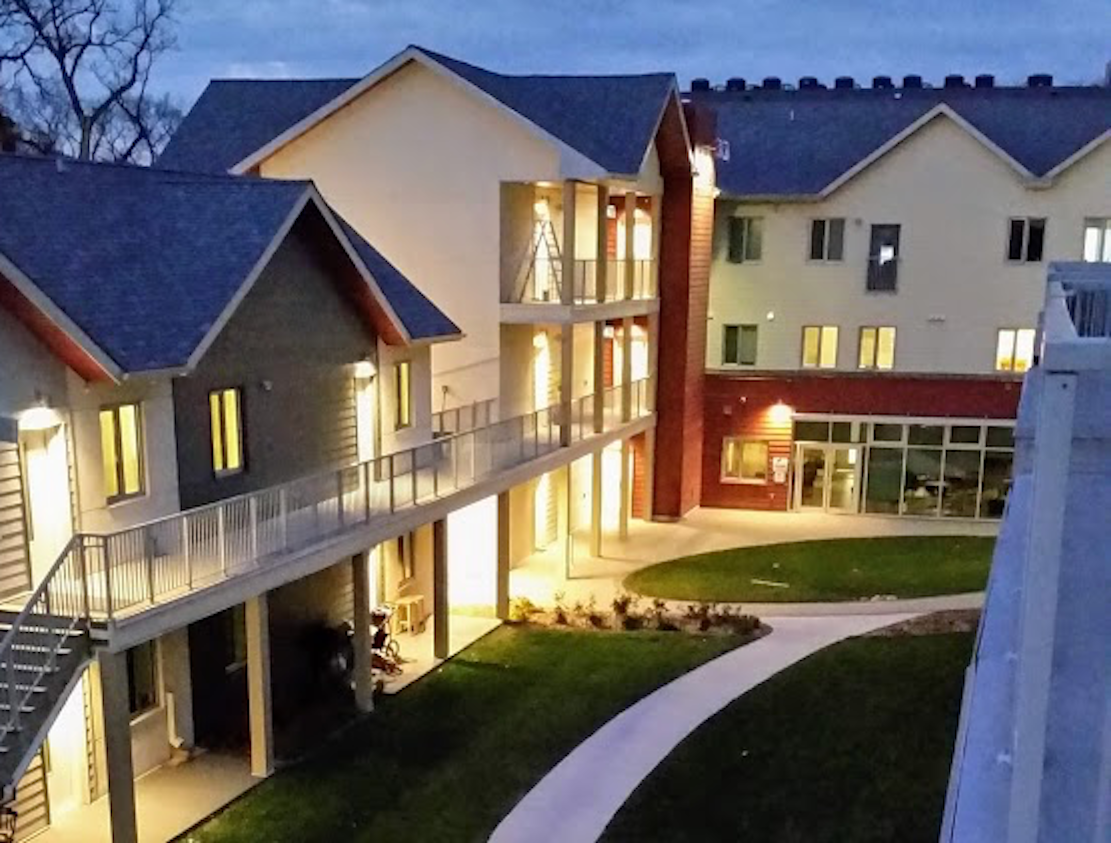
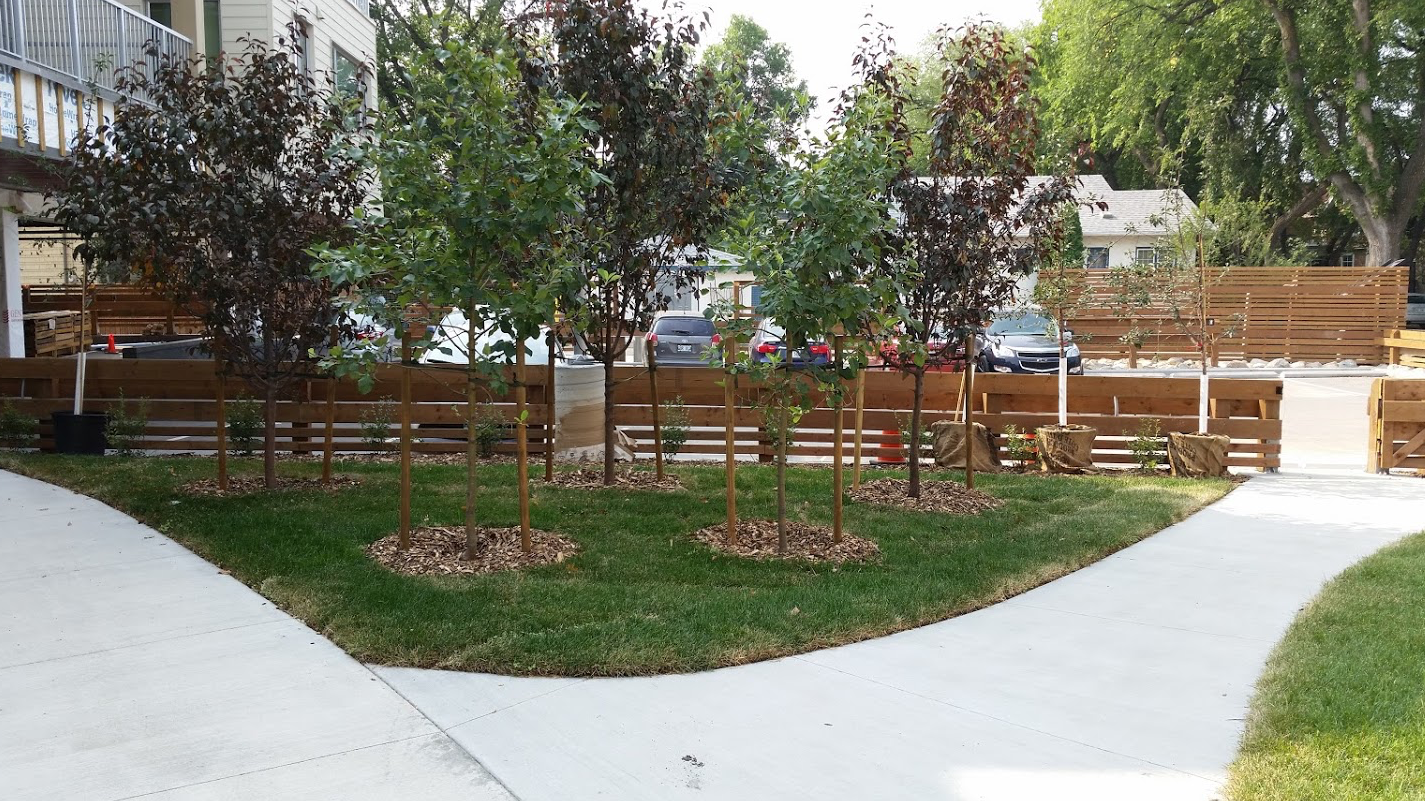
At the beginning of construction, Old Grace was about $200,000 short of the $3.57 million in Shares it would have needed to be able to afford some key elements of the project – a second elevator, a wheelchair lift from the basement to the parking lot level, and finishing and landscaping of the interior courtyard.

Funding from the Community Forward Fund (CFF) made it possible to add those elements into the construction contract at the appropriate times and “bought them time” to find other non-loan resources to fund these elements. Old Grace was able to secure a federal grant to install the wheelchair lift. They were able to secure a sponsorship of the courtyard from its lender – Assiniboine Credit Union. And they were also able to partner with several local churches with interests in affordable housing who sponsored shares for the suites housing some of our lowest-income residents, including 4 refugee families.

Without the CFF funding, Old Grace would have run out of time to find these partners before the construction schedule required them to commit to these project costs (or face a much higher cost later for post-construction retrofitting).

Thirty-four of the units are earmarked for households qualifying for Affordable housing per the Province of Manitoba’s income ceilings. Of these 13 are very-low-income households eligible to receive Provincial Rent Supplement Assistance. The remaining suites are available to households whose incomes may exceed these limits.

The co-op is an architecturally distinctive, sustainable, accessible (for mobility challenged) and relatively dense development in an established neighbourhood. The monthly housing charges have been set at the 2018 Median Market Rent (MMR) as established by the Province for affordable housing. Old Grace is planning to maintain the 2018 housing charges at the same level in our 2019 fiscal year despite the expectation that the Province will increase the MMR by approximately 2% in January. Over time Old Grace expects its suites to become even more affordable in comparison to the local market. The Province publishes its MMR data annually so they have an ongoing way of tracking their affordability.

Careful attention to energy and water savings in the design and construction will mean lower utility costs (energy costs are projected to be 26% below comparable buildings), also working to keep housing charges down. Old Grace was able to lock its mortgage in during construction at 3.39% for a 5-year term and have secured a 35-year mortgage. Old Grace is very hopeful that suites and townhouses in Old Grace Housing Co-op will become increasingly affordable over time.

Old Grace Housing Co-operative

Winnipeg, MB

Our work with Old Grace Housing Co-operative facilitated the creation of a new 64-unit mixed income, multi-generational housing co-operative in Winnipeg, Manitoba.

  • Target Community: Mixed-income community members
  • Sector: Housing

Old Grace Housing Co-operative’s financing package consisted of a forgivable loan from Manitoba Housing, those tax credits and grants available to non-profit housing projects, equity in the form of ultimately refundable Member Shares and a large mortgage from its lender, Assiniboine Credit Union. Due to the limited public funding available, its Member Shares were substantial. For the subsidized Affordable units, they still ranged between $16,000 for a 1BR suite and $28,000 for a 4BR suite.

At the beginning of construction, Old Grace was about $200,000 short of the $3.57 million in Shares it would have needed to be able to afford some key elements of the project – a second elevator, a wheelchair lift from the basement to the parking lot level, and finishing and landscaping of the interior courtyard.

Funding from the Community Forward Fund (CFF) made it possible to add those elements into the construction contract at the appropriate times and “bought them time” to find other non-loan resources to fund these elements. Old Grace was able to secure a federal grant to install the wheelchair lift. They were able to secure a sponsorship of the courtyard from its lender – Assiniboine Credit Union. And they were also able to partner with several local churches with interests in affordable housing who sponsored shares for the suites housing some of our lowest-income residents, including 4 refugee families.

Without the CFF funding, Old Grace would have run out of time to find these partners before the construction schedule required them to commit to these project costs (or face a much higher cost later for post-construction retrofitting).

Thirty-four of the units are earmarked for households qualifying for Affordable housing per the Province of Manitoba’s income ceilings. Of these 13 are very-low-income households eligible to receive Provincial Rent Supplement Assistance. The remaining suites are available to households whose incomes may exceed these limits.

The co-op is an architecturally distinctive, sustainable, accessible (for mobility challenged) and relatively dense development in an established neighbourhood. The monthly housing charges have been set at the 2018 Median Market Rent (MMR) as established by the Province for affordable housing. Old Grace is planning to maintain the 2018 housing charges at the same level in our 2019 fiscal year despite the expectation that the Province will increase the MMR by approximately 2% in January. Over time Old Grace expects its suites to become even more affordable in comparison to the local market. The Province publishes its MMR data annually so they have an ongoing way of tracking their affordability.

Careful attention to energy and water savings in the design and construction will mean lower utility costs (energy costs are projected to be 26% below comparable buildings), also working to keep housing charges down. Old Grace was able to lock its mortgage in during construction at 3.39% for a 5-year term and have secured a 35-year mortgage. Old Grace is very hopeful that suites and townhouses in Old Grace Housing Co-op will become increasingly affordable over time.

25One Community

Ottawa, ON

Our work with 25One Community helped them secure a line of credit to build a collaborative co-working space for the Ottawa community.

  • Target Community:  Non-profit and Community Organizations
  • Sector: Community space

25One Founder Diane Touchette, a staff member of the Canadian Centre for Policy Alternatives (a well established nonprofit organization) wanted to fulfill a need she saw growing in the Ottawa community by building and managing a co-working space for nonprofits and community organizations. But it proved to be a challenge to secure the required funds in the form of a loan to create the required working capital.

The organization needed a line of credit to pay for construction work to set up the second and fifth floor in their downtown building as a collaborative workspace. Though the building’s landlord assumed 70% of the renovation costs, 25One faced the need for significant investment to support their portion of the renovation costs and to market the space.

Founder Diane Touchette learned about the Community Forward Fund and its services at a workshop for organizations interested in alternative finance, hosted by the Community Foundation of Ottawa, CFF’s local collaboration partner and investor. After subsequent meetings with CFF loan staff, 25One made a successful loan application. This loan enabled 25One to open its doors and begin to market the space as a vibrant hub where nonprofits and members of Ottawa’s community could meet, interact, and collaborate.

The second floor now serves as the main meeting area where tenants meet with clients, and work at the in-house café. The fifth floor was set aside for individual desks and offices for whole organizations – currently the Canadian Centre for Policy Alternatives and Volunteer Canada are their two anchor tenants.

25One Community’s former Executive Director John Urquhart is grateful to have worked with CFF: “We knew we had a business model that worked. But without CFF’s help at a critical stage in the process, we would have been hard-pressed to provide the services we planned to provide for nonprofits and members of the progressive community who have since joined us. I’m pleased to report that we’re at 80% capacity with an outlook for 100% occupancy soon.”

Tucker House

Ottawa, ON

Our work with Tucker House allowed the environmental group to finance the purchase of solar panels at its community space to reduce its environmental footprint and establish a sustainable revenue stream.

  • Target Community: Youth and Adults
  • Sector: Renewable Energy

Tucker House, a local environmental group in the Ottawa region, is the proud recipient of the Community Forward Fund’s first loan.

Situated in the countryside on a former family estate, they have successfully run day camps for children in the summer and year-round programs for adults on energy efficiency and renewable energy for several years, taking over operations from a church group. Their growth has been slow and steady over the past several years as the focus has changed from faith-based to environmental, under the tutelage of a dynamic Executive Director and an engaged Carver-model board.

In 2009, the Ontario government created a Micro-FIT (Feed In Tariff) program that allowed small organizations to feed electricity into the grid and be paid 80 cents per kilowatt hour.

Community Forward Fund worked closely with Tucker House to structure a financing tool that would best meet the organization’s needs and support its purchase the solar panels.

Thanks to a loan from the Community Forward Fund, Tucker House’s dream became a reality. The solar panels allow the organization to reduce its environmental footprint and be a role model for sustainability in the community. It also provides them, over time, with a sustainable revenue stream. With the Micro-FIT program, solar panels would pay for themselves within 15 – 20 years and the organization needed the capital to purchase them.

Tucker House

Ottawa, ON

Our work with Tucker House allowed the environmental group to finance the purchase of solar panels at its community space to reduce its environmental footprint and establish a sustainable revenue stream.

  • Target Community: Youth and Adults
  • Sector: Renewable Energy

Tucker House, a local environmental group in the Ottawa region, is the proud recipient of the Community Forward Fund’s first loan.

Situated in the countryside on a former family estate, they have successfully run day camps for children in the summer and year-round programs for adults on energy efficiency and renewable energy for several years, taking over operations from a church group. Their growth has been slow and steady over the past several years as the focus has changed from faith-based to environmental, under the tutelage of a dynamic Executive Director and an engaged Carver-model board.

In 2009, the Ontario government created a Micro-FIT (Feed In Tariff) program that allowed small organizations to feed electricity into the grid and be paid 80 cents per kilowatt hour.

Community Forward Fund worked closely with Tucker House to structure a financing tool that would best meet the organization’s needs and support its purchase the solar panels.

Thanks to a loan from the Community Forward Fund, Tucker House’s dream became a reality. The solar panels allow the organization to reduce its environmental footprint and be a role model for sustainability in the community. It also provides them, over time, with a sustainable revenue stream. With the Micro-FIT program, solar panels would pay for themselves within 15 – 20 years and the organization needed the capital to purchase them.

The Mustard Seed Co-operative Grocery

Hamilton, ON

Our work with The Mustard Seed Co-op provided the necessary working capital to launch its start-up grocery store.

  • Target Community: Hamilton community members
  • Sector: Food

First presented to the Community Forward Fund in 2012 by the Hamilton Community Foundation, the Mustard Seed Co-op worked closely with CFF and other partners to pull together the necessary capital to launch the start-up grocery store. The majority of startup costs were covered by membership fees, grants and direct member loans. Still, Mustard Seed felt it needed access to additional working capital beyond these sources while still in its start-up phase.

Early in 2014, CFF approved a working capital loan to the Mustard Seed Co-operative. Matching “sister” loans were also funded by the Greater Vancouver Community Assistance Foundation and the Hamilton Community Foundation. Both organizations strongly believe in the mission of Mustard Seed and worked closely with CFF to complete the loan process.

“The process of working with the Community Forward Fund and its partners forced us to refine our business plan and project our needs as thoroughly as possible.  Their involvement gives our members confidence that we will not run into working capital challenges in the years ahead – a significant factor for a community-owned business where individual members cannot address cash-flow issues in the same way that a privately-held business might,” said Graham Cubitt, President of The Mustard Seed.

The Mustard Seed Co-operative is an important example of how one organization has been able to use multiple forms of financing, both traditional and methods of social finance, to achieve their capital requirements.

To learn more about the Mustard Seed Co-operative, watch the Hamilton Community Foundation’s “Vital Signs” video here.

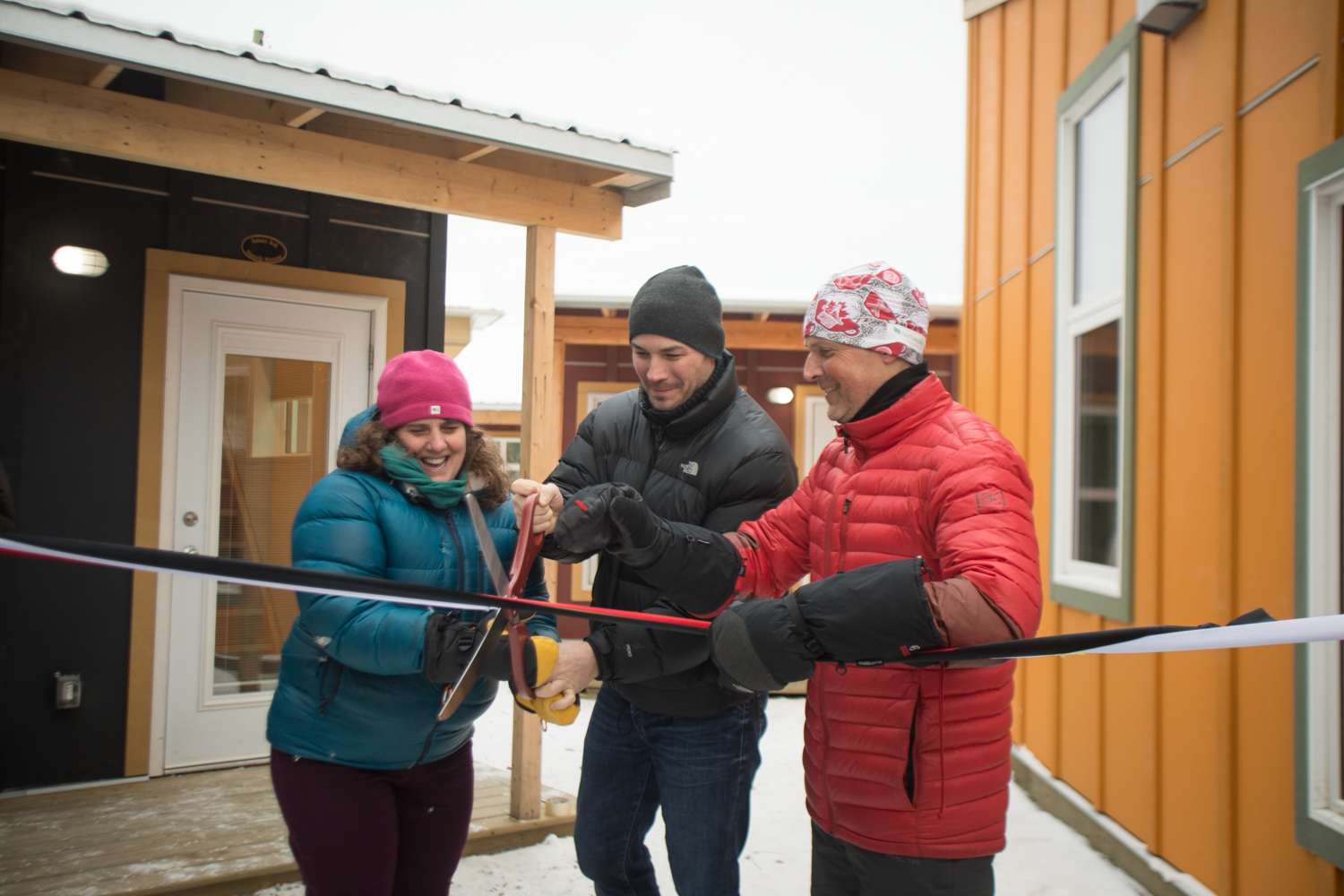
The B.A.A.N.N Theatre Centre

Toronto, ON

Our work with the Theatre Centre provided a bridge between funding that was secured and funding that was yet to be committed in order to renovate a community arts space.

  • Target Community: Community members
  • Sector: Arts

In late 2005, the Theatre Centre began discussions with the City of Toronto about the Carnegie Library at 1115 Queen Street West, in the heart of downtown Toronto. The Theatre Centre was looking to expand its offerings and saw an opportunity to return the heritage site to its former glory as a cultural hub. In a highly competitive process, the organization was selected by the City of Toronto to redevelop and lease the City owned property. The City of Toronto agreed to invest $1 million toward the renovations which included: restoration the Edwardian façade, creation of a performance space with seating for 200 as well as a green-roofed terrace event space, development of a fully equipped laboratory to support artists’ experimentation and rehearsal, a retrofit of the lobby to include a café with city views, and finally, establishment of an extensive gallery space for visual and media arts.

With construction completed January 2014, The Theatre Centre has secured roughly 90% of its total funding requirement through grants, sponsorships, and donations to its capital campaign. The organization will use a bridge loan from the Community Forward Fund to help with ramping up operations. The loan will bridge the collection of committed funding and the capital which has yet to be raised.

“We have seen this scenario play-out time and time again in the social finance space” says CFF CEO Derek Ballantyne. “An organization will be able to secure enough funding for a project, but will experience a delay between needing the cashflow and receiving the committed funding. We are pleased that the Community Forward Fund has been able to provide bridge loans to projects like the Theatre Centre to ensure that renovations and programming are moving forward instead of experiencing delays. The impact that this renovation will have on the City of Toronto will be incredible.”

“Our experience with the Community Forward Fund has been nothing short of amazing”, says Franco Boni, Artistic Director of The Theatre Centre. “Traditional banks are hesitant to provide loans to non-profits, but the Community Forward Fund understood the importance of providing assistance to organizations like The Theatre Centre. They stepped up to the plate. Thanks to their help, when we opened our newly renovated space in March 2014, we were able to immediately launch productions. In the months since, we have experienced an unprecedented level of activity. None of this would have been possible without the support we received from the Community Forward Fund. We are forever appreciative of their help at such a critical point in our growth as an organization.”

The B.A.A.N.N Theatre Centre

Toronto, ON

Our work with the Theatre Centre provided a bridge between funding that was secured and funding that was yet to be committed in order to renovate a community arts space.

  • Target Community: Community members
  • Sector: Arts

In late 2005, the Theatre Centre began discussions with the City of Toronto about the Carnegie Library at 1115 Queen Street West, in the heart of downtown Toronto. The Theatre Centre was looking to expand its offerings and saw an opportunity to return the heritage site to its former glory as a cultural hub. In a highly competitive process, the organization was selected by the City of Toronto to redevelop and lease the City owned property. The City of Toronto agreed to invest $1 million toward the renovations which included: restoration the Edwardian façade, creation of a performance space with seating for 200 as well as a green-roofed terrace event space, development of a fully equipped laboratory to support artists’ experimentation and rehearsal, a retrofit of the lobby to include a café with city views, and finally, establishment of an extensive gallery space for visual and media arts.

With construction completed January 2014, The Theatre Centre has secured roughly 90% of its total funding requirement through grants, sponsorships, and donations to its capital campaign. The organization will use a bridge loan from the Community Forward Fund to help with ramping up operations. The loan will bridge the collection of committed funding and the capital which has yet to be raised.

“We have seen this scenario play-out time and time again in the social finance space” says CFF CEO Derek Ballantyne. “An organization will be able to secure enough funding for a project, but will experience a delay between needing the cashflow and receiving the committed funding. We are pleased that the Community Forward Fund has been able to provide bridge loans to projects like the Theatre Centre to ensure that renovations and programming are moving forward instead of experiencing delays. The impact that this renovation will have on the City of Toronto will be incredible.”

“Our experience with the Community Forward Fund has been nothing short of amazing”, says Franco Boni, Artistic Director of The Theatre Centre. “Traditional banks are hesitant to provide loans to non-profits, but the Community Forward Fund understood the importance of providing assistance to organizations like The Theatre Centre. They stepped up to the plate. Thanks to their help, when we opened our newly renovated space in March 2014, we were able to immediately launch productions. In the months since, we have experienced an unprecedented level of activity. None of this would have been possible without the support we received from the Community Forward Fund. We are forever appreciative of their help at such a critical point in our growth as an organization.”

Blood Ties Four Directions Society

Whitehorse, YT

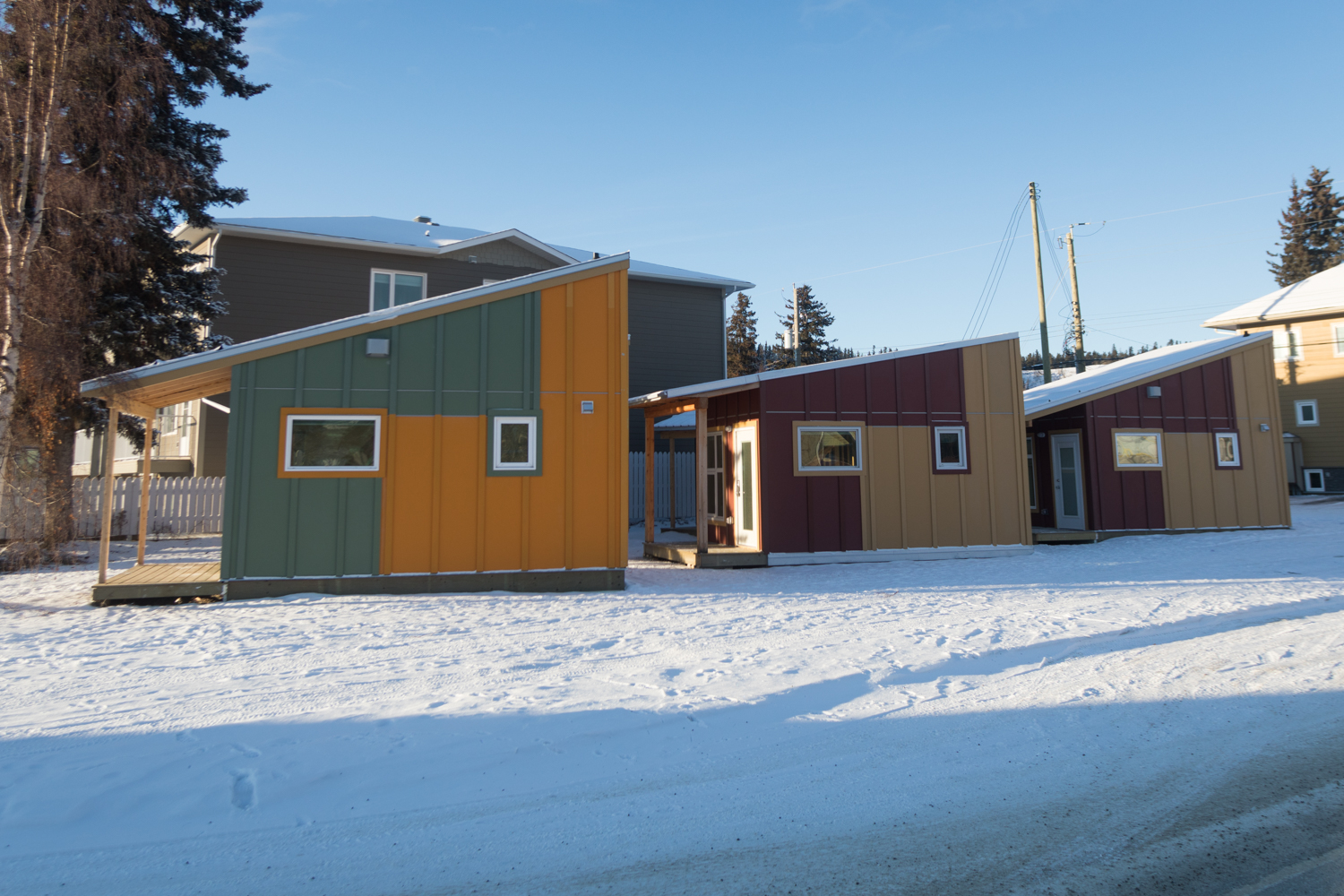
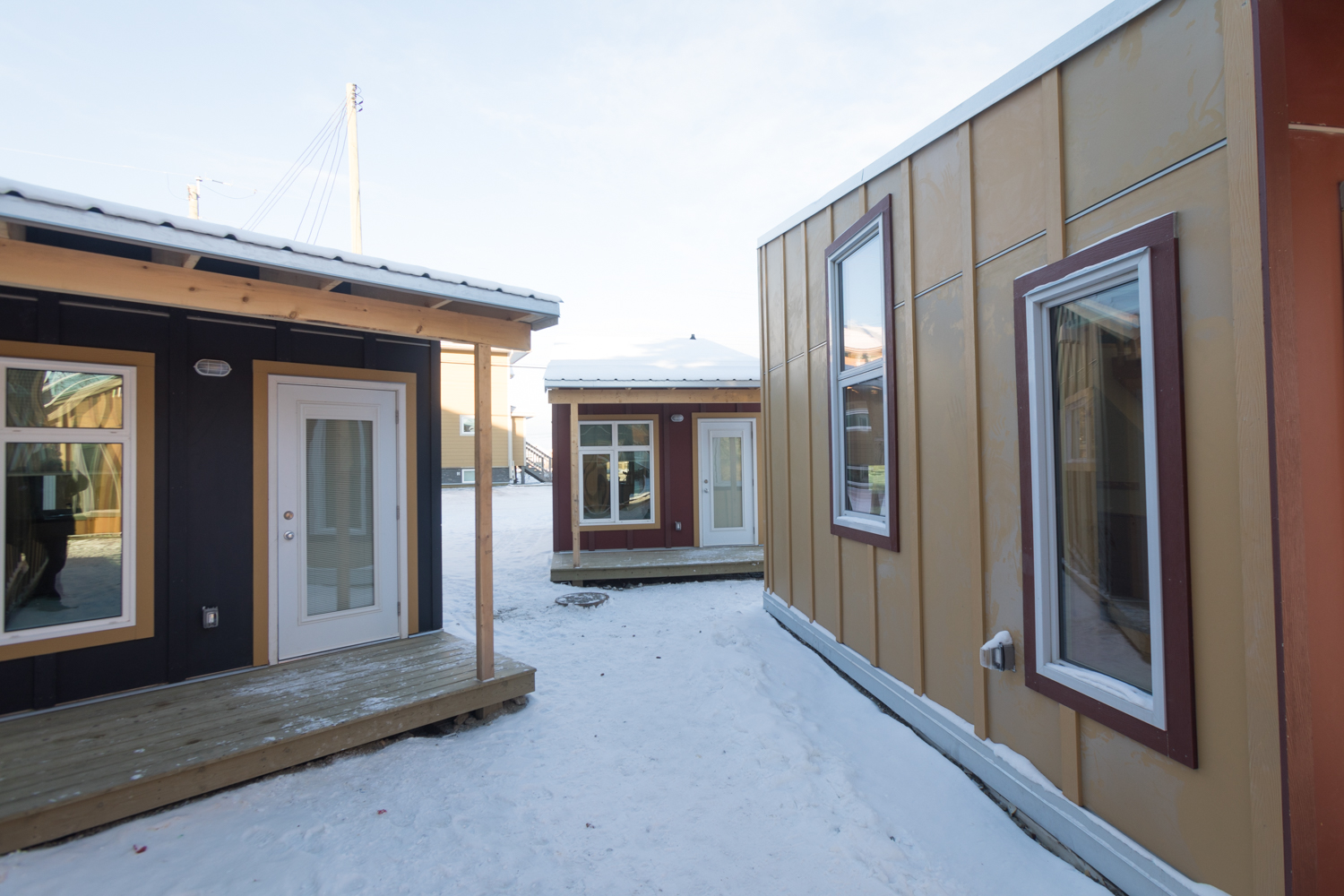
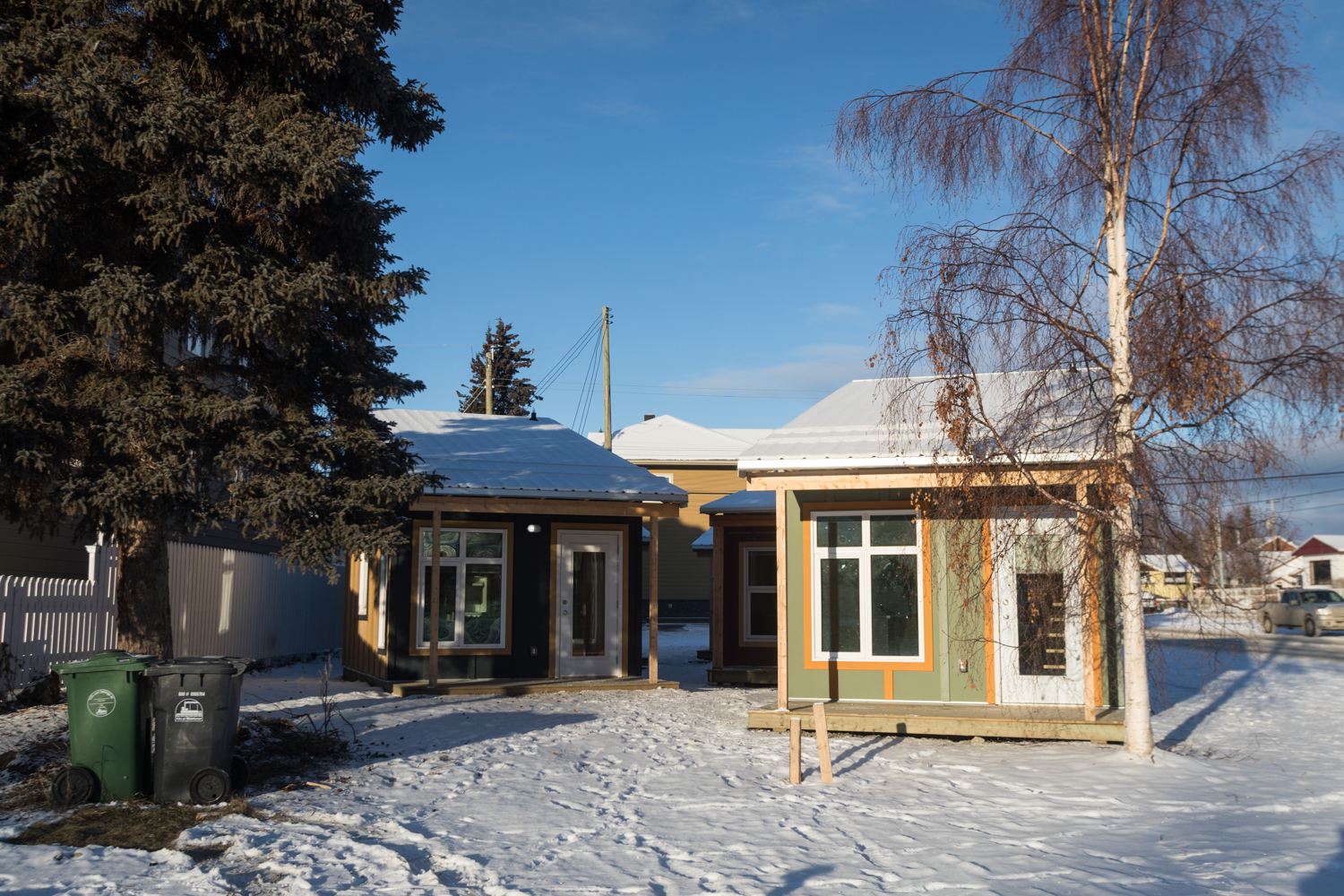
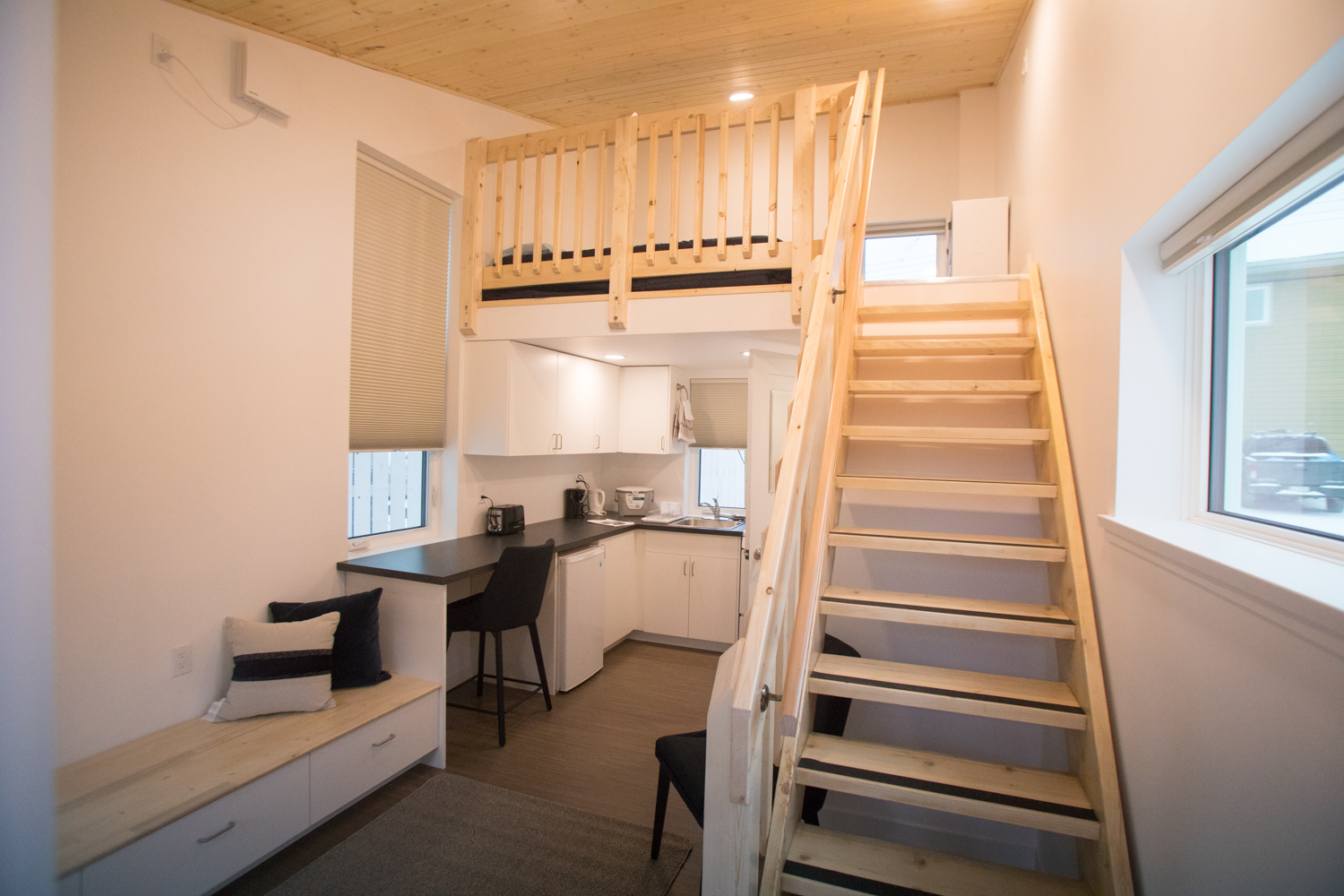
Our work with Blood Ties Four Directions Society is helping them to purchase land to construct affordable supported housing to homeless vulnerable Yukoners.

  • Target Community: Blood Ties serves people in our community who are marginalized by addiction, mental illness, homelessness and stigmatizing health conditions such as HIV and Hepatitis C.
  • Sector: Housing

Whitehorse has an affordable housing shortage. There are very few private rental apartments available. Landlords tend to favour upwardly mobile young professionals for their rental units. People who need supports for successful housing outcomes are often left out of market rental housing; as a result they tend to be chronically homeless and live in temporary shelters year round. This housing project is designed to address this problem.

When Blood Ties wanted to develop our project, our biggest challenge was finding and buying land in which to place the tiny houses. Land costs in Whitehorse are quite high, and Blood Ties needed to borrow money in which to make a purchase. Traditional banks turned us down even though we were able to bring 30% towards the purchase. With a hot land market in Whitehorse, we needed prior approval for $200,000 in which to buy land for property development. The Community Forward Fund saw the potential in our project and was able to approve us for a $200,000 land purchase. Blood Ties contributed $100,000 of our reserves and CFF financed us the remaining $200,000. In October 2017, we were able to make an offer to purchase on downtown corner lot. Once the land purchase was secured, we were able to harness funding grants from various governments to do the actual build. Without the CFF financing for land purchase though we wouldn’t have been able get this far.

We are grateful that Community Forward Fund saw the potential of our project and was willing to give us the financing we needed to obtain land. By fall of 2018, there will be five fewer homeless people in Whitehorse.

Heartwood House

Ottawa, ON

Our work with Heartwood House helped them refinance their debt and improve their financial capacity to continue serving their community of non-profits and charities in Ottawa

  • Target Community: Non-profits and charities
  • Sector: Social services

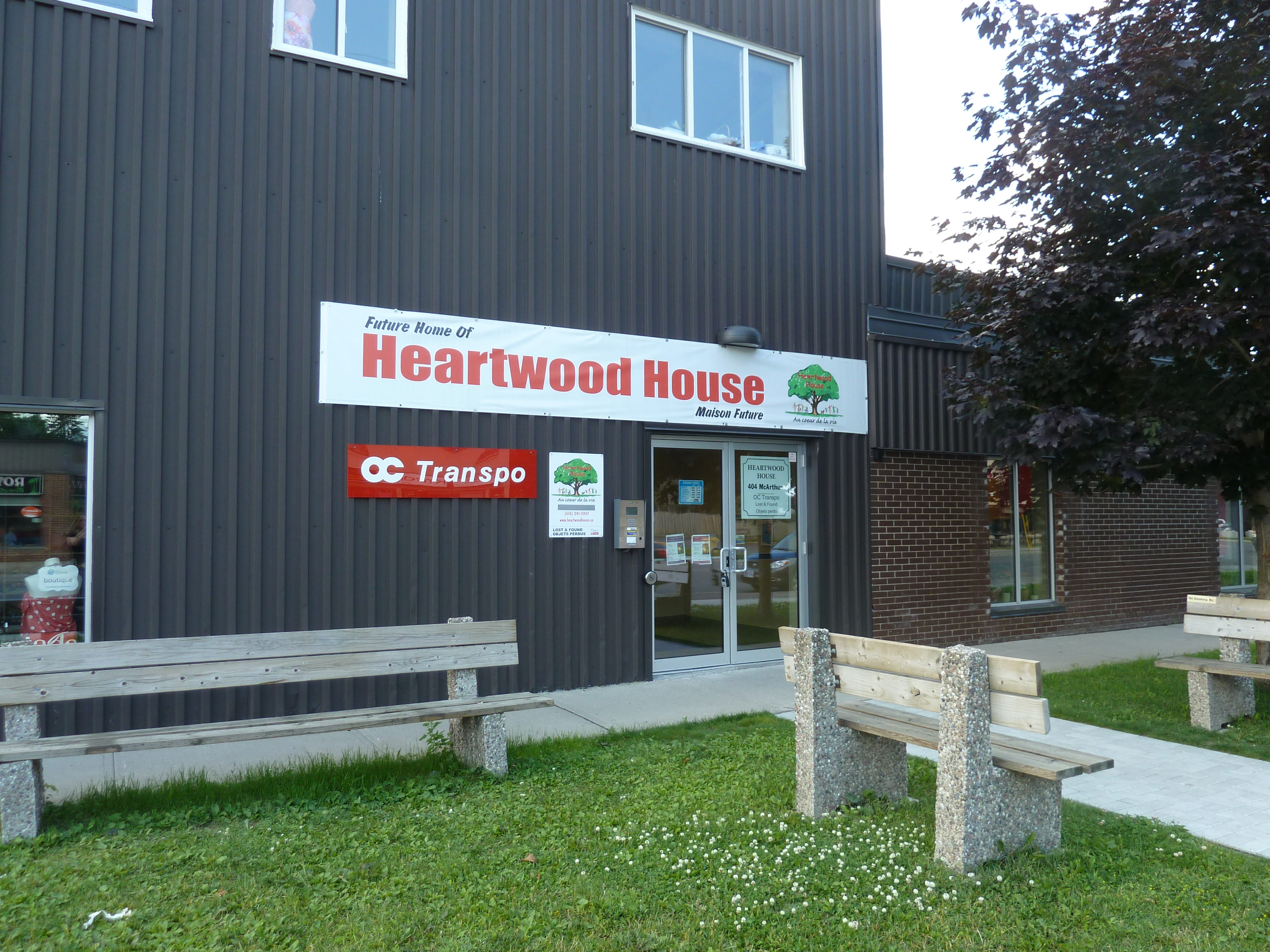
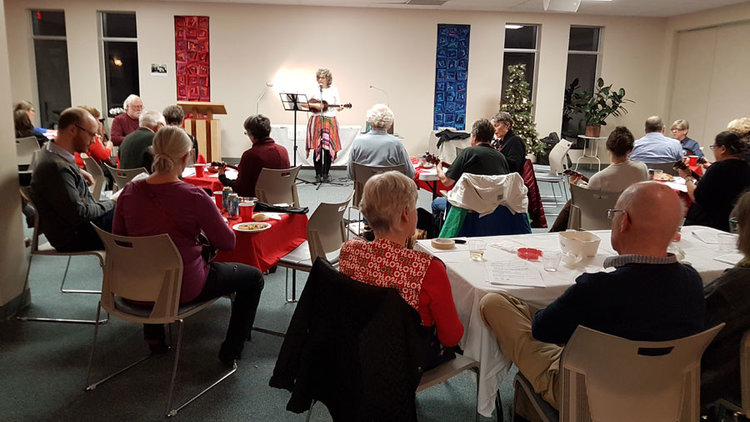
Heartwood House was established in 2001 and is a non-profit charitable organization dedicated to supporting small non-profit and charitable organizations by offering an affordable, accessible workplace for small non-profit and charitable organizations. Heartwood House and its member organizations provide a wide variety of services to support those Ottawa residents living in poverty, and/or who are disadvantaged due to disabilities, low literacy, language, housing, unemployment or health challenges. Heartwood House helps its member groups maximize their services by providing a mutually supportive, hospitable and empowering environment for their clients and participants, where organizations can collaborate and develop formal and informal partnerships within the House and among the greater community.

Heartwood House purchased its current space in 2012 and experienced some setbacks with the redevelopment. Heartwood House came to CFF to refinance its existing debt and improve its working capital.

CFF was able to help Heartwood House refinance its debt which will result in significant debt service savings and improved working capital to continue running its operations smoothly.

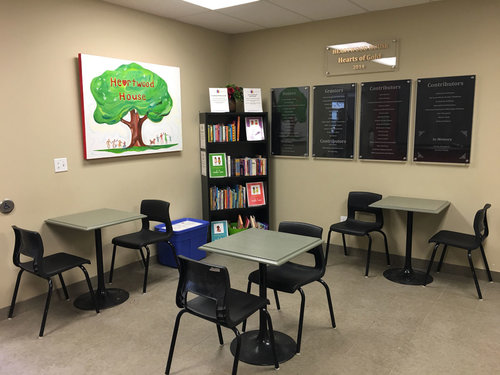
Heartwood House manages over 26,000 square feet of affordable working space for charities and non-profits to serve their communities. Each year over 15,000 people are served by the members of the Heartwood House community. The Community Forward Fund loan will empower Heartwood House to continue its work to provide affordable space for small charitable and non-profit organizations to serve the poor.

Heartwood House

Ottawa, ON

Our work with Heartwood House helped them refinance their debt and improve their financial capacity to continue serving their community of non-profits and charities in Ottawa.

  • Target Community: Non-profits and charities
  • Sector: Social services

Heartwood House was established in 2001 and is a non-profit charitable organization dedicated to supporting small non-profit and charitable organizations by offering an affordable, accessible workplace for small non-profit and charitable organizations. Heartwood House and its member organizations provide a wide variety of services to support those Ottawa residents living in poverty, and/or who are disadvantaged due to disabilities, low literacy, language, housing, unemployment or health challenges. Heartwood House helps its member groups maximize their services by providing a mutually supportive, hospitable and empowering environment for their clients and participants, where organizations can collaborate and develop formal and informal partnerships within the House and among the greater community.

Heartwood House purchased its current space in 2012 and experienced some setbacks with the redevelopment. Heartwood House came to CFF to refinance its existing debt and improve its working capital.

CFF was able to help Heartwood House refinance its debt which will result in significant debt service savings and improved working capital to continue running its operations smoothly.

Heartwood House manages over 26,000 square feet of affordable working space for charities and non-profits to serve their communities. Each year over 15,000 people are served by the members of the Heartwood House community. The Community Forward Fund loan will empower Heartwood House to continue its work to provide affordable space for small charitable and non-profit organizations to serve the poor.

Conservation Halton

Dundas, ON

Our work with Conservation Halton is helping them to restore a significant parcel of land to further establish a natural corridor link between Lake Ontario and the Niagara Escarpment within the City of Hamilton.

  • Target Area: Niagara Escarpment
  • Sector: Environmental Conservation

In the lands of the Niagara Escarpment between Dundas and Burlington, lies a very unique natural region known as ‘Cootes to Escarpment’. It comprises a natural corridor link between two of the region’s most important ecological features: Cootes Paradise Marsh — Canada’s second migratory bird sanctuary (Established 1927), and the Niagara Escarpment — a UNESCO World Biosphere Reserve. The region is recognized as one of the most botanically diverse areas in Canada, with nearly a quarter of the country’s native plants and provides essential habitat for numerous rare and endangered species. Conservation partners in the area actively seeking opportunities to secure additional conservation lands in this key ecological area to enhance connected public natural areas.

Because of the support from Community Forward Fund through the Hamilton Community Foundation, Conservation Halton was able to secure a significant parcel of land in 2015 to further establish a natural corridor link between Lake Ontario and the Niagara Escarpment within the City of Hamilton. The 24 hectare property offers significant opportunities for the restoration of creeks, wetlands and Carolinian upland forest as well as protection of headwater stream ravines. The land, now called the Pleasant View Natural Area — Hopkins Tract.

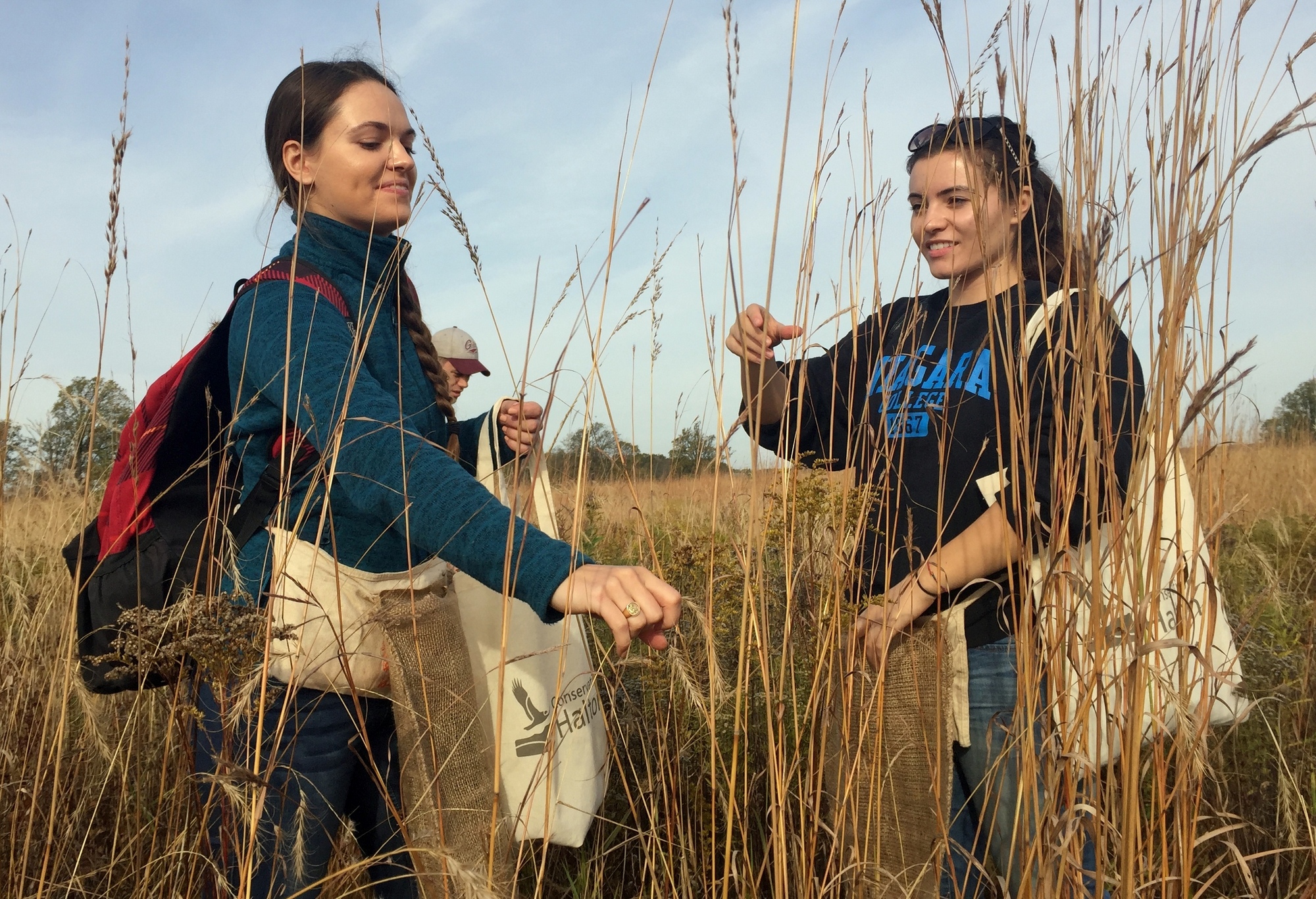
Throughout 2016, Conservation Halton developed a restoration plan for the property to achieve five measurable outcomes and facilitate community engagement in the public land conservation project. The project would see one kilometre of headwater streams enhanced and the creation of 14 hectares of forest, 0.5 hectare of wetlands and several significant wildlife habitat features added to the former agricultural and fallow land.

Progress to date on the ecological restoration of the property includes:

  • 9 hectares of land restored
  • 11 kg of native seed collected by volunteers from adjacent natural areas
  • 72 litres of acorns purchased in installed by community members
  • 44 kg of native seed planted
  • 4 wetlands created
  • Osprey platform installed
  • 168 volunteers engaged throughout the project
  • 1 km of headwater drainage feature restored

This exciting restoration opportunity is needed due to the unique location of the property. Located between a narrow section of land in close proximity to Lake Ontario shoreline and Niagara

Escarpment, this important piece of land will provide, once restored, a vital ecological corridor between these two significant features. By enhancing this connectivity it will provide a strong linkage for wildlife movement and improve the condition of surface water.

The property will be maintained by Conservation Halton as a nature reserve that will, in the future, offer limited hiking opportunities, nature appreciation, conservation and ecosystem management. Additional restoration initiatives are planned for 2018 and 2019.

Conservation Halton Project Factsheet

The St. Leonard’s Society of Hamilton

Hamilton, ON

Our work with The St. Leonard’s Society of Hamilton helped them to renovate their aging halfway house into an accessible, energy efficient site with modern plumbing, electrical and HVAC systems.

  • Target Community: People leaving the prison system
  • Sector: Housing

The SLSH facility was built in the early 1900 as two large single family dwellings. These building have been heavily used as a halfway house facility for over 40 years, by people transitioning from prison back into the Hamilton community. The success of this 36 bed residential program is to transition clients who are coming out of prison and returning to the community, to become financially independent and not commit new offenses.

The site has never had a proper HVAC system. The site was always expensive to heat in the winter and extremely hot in the summer. We called the plumber so often we were put on a weekly maintenance plan. The old wiring was always a challenge in today’s electrical world.

The cost of the renovations for this type of facility were well in excess of the savings of the Society and the limit of any one lender. A second mortgage was sought from the Hamilton Community Foundation in concert with a second mortgage from the Community Forward Fund. The Community Forward (CFF) fund provided oversight and due diligence for both second mortgages.

We found the loan process with CFF very efficient and manageable. Richard Bright, the CFF Lending Director was knowledgeable, supportive and understanding. Richard Bright demonstrated great experience dealing with an inexperienced Not-for-Profit. Richard Bright stated that “the work of SLSH was in alignment with the type of projects that the Community Forward Fund likes to support.”

Now that the project is nearing completion (occupancy Sept 2018), SLSH is looking forward to living in a modern, fully accessible site. The renovated site will have ground floor access and an elevator to all levels.

The St. Leonard’s Society of Hamilton

Hamilton, ON

Our work with The St. Leonard’s Society of Hamilton helped them to renovate their aging halfway house into an accessible, energy efficient site with modern plumbing, electrical and HVAC systems.

  • Target Community: People leaving the prison system
  • Sector: Housing

The SLSH facility was built in the early 1900 as two large single family dwellings. These building have been heavily used as a halfway house facility for over 40 years, by people transitioning from prison back into the Hamilton community. The success of this 36 bed residential program is to transition clients who are coming out of prison and returning to the community, to become financially independent and not commit new offenses.

The site has never had a proper HVAC system. The site was always expensive to heat in the winter and extremely hot in the summer. We called the plumber so often we were put on a weekly maintenance plan. The old wiring was always a challenge in today’s electrical world.

The cost of the renovations for this type of facility were well in excess of the savings of the Society and the limit of any one lender. A second mortgage was sought from the Hamilton Community Foundation in concert with a second mortgage from the Community Forward Fund. The Community Forward (CFF) fund provided oversight and due diligence for both second mortgages.

We found the loan process with CFF very efficient and manageable. Richard Bright, the CFF Lending Director was knowledgeable, supportive and understanding. Richard Bright demonstrated great experience dealing with an inexperienced Not-for-Profit. Richard Bright stated that “the work of SLSH was in alignment with the type of projects that the Community Forward Fund likes to support.”

Now that the project is nearing completion (occupancy Sept 2018), SLSH is looking forward to living in a modern, fully accessible site. The renovated site will have ground floor access and an elevator to all levels.

Sunbury Shores Arts and Nature Centre

Saint Andrews, NB

Our work with Sunbury Shores Nature and Arts Centre helped the organization renovate its 135 year old storefront facility.

  • Target Community: Adults and Children
  • Sector: Arts

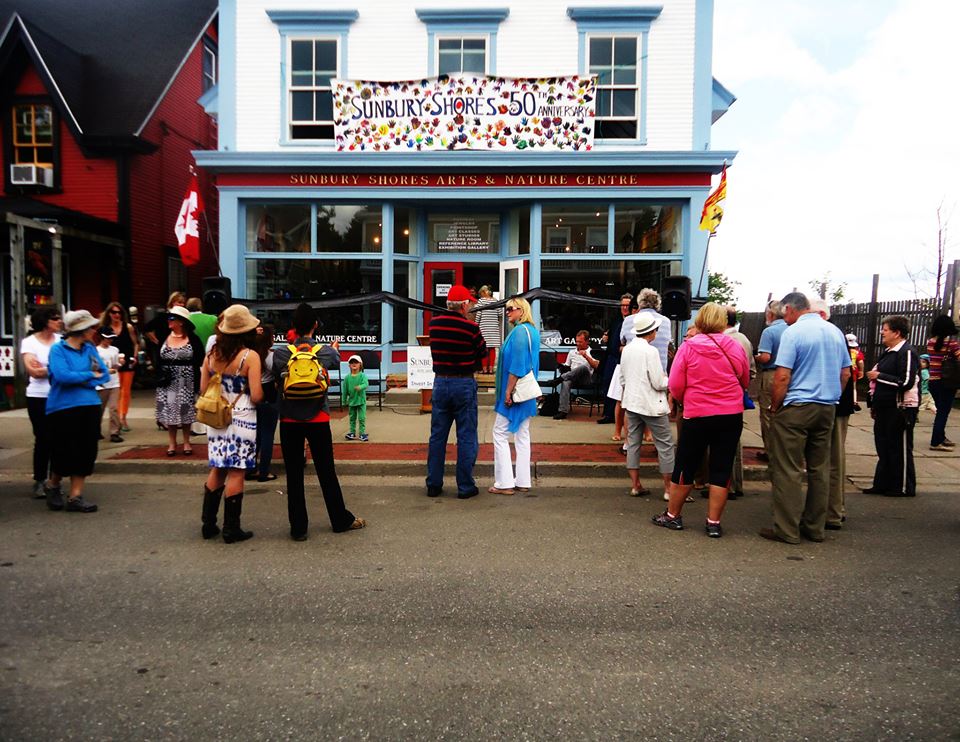
Sunbury Shores Arts and Nature Centre (Sunbury Shores) is a non-profit, membership-based organization situated on the shores of Passamaquoddy Bay in Saint Andrews, New Brunswick. Established in 1964, the Centre has played a role in the development of a strong arts community through the execution of a unique mandate – to explore the connections between art and nature. The Centre contains artists’ studios, printmaking shop, pottery studio, a metal/jewelry studio, exhibition gallery, reference library and administrative offices and is open year round. The Arts & Nature Centre also owns and maintains Two Meadows Nature Trail, a self-guided hiking trail in a nearby woodlot.

Sunbury Shores celebrated its 50th anniversary in 2014. It has been an integral part of the St Andrews arts and culture landscape since 1964 making it the oldest continuously operating facility of its kind in Canada, an amazing feat for an organization of its kind in the small community of St Andrews.

The organization’s 135 year old storefront facility, Centennial House, was acquired in 1967, and has served as the focal point for activity since that time. Since its inception Sunbury Shores has managed to maintain the property and offer many activities and programs without substantive government funding. The organization launched its first capital campaign in June 2013 to raise money to rejuvenate Centennial House. The retrofitting project will ensure that Centennial House can continue to be an important element in St Andrews’ and New Brunswick’s arts and cultural fabric. The project includes the addition of a new metal jewelry studio and outside deck overlooking the harbour.  As well as a revamping of the present space making it more efficient in many ways.

With the success of their capital campaign the expansion project has been completed allowing the organization to continue to offer and expand its children’s programs, its studio residency programs, rejuvenate the gallery and bring the jewelry studio into the main building. However, some funding delays from grant and pledge agreements meant that Sunbury Shores required a cash infusion to complete payments to the general contractor for the project.

The Fundy Community Foundation, with its extensive knowledge of local organizations, suggested to the Community Forward Fund that Sunbury Shores may be a good candidate for a loan.  “When Sunbury Shores Arts and Nature Centre, a local registered charity, found themselves in need of financing to help their capital renovation project bridge cash-in/cash-out flow, they turned to Fundy Community Foundation for advice.” explained Sandy Thurber, Executive Director. Further, she noted “Fundy Community Foundation is committed to helping local charities in a variety of ways. Some are familiar such as grant-making and educational services, while others are new to our foundation, like loans to non-profit organizations.”

“Being a small, rural foundation with a big heart but limited resources, we thought that the Community Forward Fund might be a great fit for Sunbury Shores’ needs and were delighted to be able to help both organizations connect.  The support, counseling and open discussion between all three parties led to a win-win match that benefits Sunbury Shores, our Fundy Community Foundation and our community.”

A bridge loan from the Community Forward Fund was made and has allowed the organization to meet its construction obligations without impacting its normal operating activities. Sunbury Shores will repay its loan to CFF with pledge money that has already been committed.

James Steel, Executive Director of the Centre says, “Having a local organization like the Fundy Community Foundation looking out for the needs of local organizations is a blessing. They knew of our situation and linked us directly with the Community Forward Fund who were quite wonderful in helping us fulfill our commitments to contractors immediately. They were easy to deal with, prompt ad thorough in their requests for the required documentation. They were also patient with us when we needed time to get information from our accountants. It was their willingness to help and find ways of making things work for everyone that impressed us. Without the help of the Community Forward Fund our options were a great deal more daunting.  I would not hesitate recommending the Community Forward Fund to other non-profits and charities looking for funding.”

Nishnawbe Homes Inc.

Oshawa, ON

Our work with Nishnawbe Homes helped them complete a new affordable housing building with 16 new units for homeless women in the Oshawa area.

  • Target Community: Indigenous peoples
  • Sector: Housing

Since 1984, Nishnawbe Homes has provided safe, affordable housing for under-housed and homeless Aboriginal people in an environment that promotes and cultivates Aboriginal culture and values. Nishnawbe Homes, an experienced housing provider, currently owns 17 properties in Greater Toronto Area and Brampton, Ontario with more than 200 dwelling units.

Nishnawbe Homes is building a new, 16 unit, one and two bedroom apartment building in Oshawa, Ontario. The building will be located in an area with existing city infrastructure and services, and will be a positive contribution to enlivening the neighbourhood.  Capital funding for construction was made available trough provincial affordable housing programs for Aboriginal communities

In order to begin construction, Nishnawbe Homes had to address costs related to obtaining a building permit and project approvals.  Grant and construction financing starts only after the planning and pre-development work is complete.

The organization obtained a bridge loan from the Community Forward Fund. The loan will be repaid once construction lending is in place and grant funding is provided to Nishnawbe Homes.  This is expected in May 2014. The CFF loan provides project development and initiation funding, and this allows for the project to proceed to a point where other funding and long term debt can be used.

Frances Sanderson of Nishnawbe Homes writes, “We are very grateful to the Community Forward Fund for recognizing and supporting our efforts to create a housing environment designed for homeless women in the Oshawa area. CFF was an integral piece of Nishnawbe Homes’ financial puzzle, to get the Oshawa project off the ground.  CFF provided the funding bridge which enabled us to realize our vision to make housing available for those most in need.”

Nishnawbe Homes Inc.

Oshawa, ON

Our work with Nishnawbe Homes helped them complete a new affordable housing building with 16 new units for homeless women in the Oshawa area.

  • Target Community: Indigenous peoples
  • Sector: Housing

Since 1984, Nishnawbe Homes has provided safe, affordable housing for under-housed and homeless Aboriginal people in an environment that promotes and cultivates Aboriginal culture and values. Nishnawbe Homes, an experienced housing provider, currently owns 17 properties in Greater Toronto Area and Brampton, Ontario with more than 200 dwelling units.

Nishnawbe Homes is building a new, 16 unit, one and two bedroom apartment building in Oshawa, Ontario. The building will be located in an area with existing city infrastructure and services, and will be a positive contribution to enlivening the neighbourhood.  Capital funding for construction was made available trough provincial affordable housing programs for Aboriginal communities

In order to begin construction, Nishnawbe Homes had to address costs related to obtaining a building permit and project approvals.  Grant and construction financing starts only after the planning and pre-development work is complete.

The organization obtained a bridge loan from the Community Forward Fund. The loan will be repaid once construction lending is in place and grant funding is provided to Nishnawbe Homes.  This is expected in May 2014. The CFF loan provides project development and initiation funding, and this allows for the project to proceed to a point where other funding and long term debt can be used.

Frances Sanderson of Nishnawbe Homes writes, “We are very grateful to the Community Forward Fund for recognizing and supporting our efforts to create a housing environment designed for homeless women in the Oshawa area. CFF was an integral piece of Nishnawbe Homes’ financial puzzle, to get the Oshawa project off the ground.  CFF provided the funding bridge which enabled us to realize our vision to make housing available for those most in need.”

The Funeral Co-op of Ottawa

Ottawa, ON

Our work with The Funeral Co-op of Ottawa helped them with initial start-up costs associated with renovating the space, hiring a Funeral Director, and publicizing services offered to the community.

  • Target Community: Ottawa
  • Sector: Health Services

The Funeral Co-Operative of Ottawa (FCO), is a non-profit, community owned organization providing a new option for residents of Ottawa for funeral services. Inspired by La Coopérative funéraire de l’Outaouais, which was launched in 1979, the FCO will provide an alternative option to private funeral homes. With approximately 5000 funerals per year in the City of Ottawa the Funeral Co-Operative hopes to capture 2% of the market and will not “upsell” its clientele. Anyone can use the services of the FCO however members will benefit from a reduced rate of 10% for services and merchandise. The Co-op is owned by anyone who buys a lifetime membership for $20.

The Funeral Co-operative, located on St. Laurent Boulevard across from the Beechwood Cemetery consists of an office for the funeral director, a meeting room, preparation room and show room for caskets and urns. FCO will also rent other facilities in the community for visitations, religious and memorial services and receptions. FCO needed money to fund start up costs associated with renovating the space, hiring a Funeral Director, and publicizing services offered to the community.

CFFAC introduced FCO to a lender of patient capital to fund the costs of its leasehold improvements. A loan from the Community Forward Fund  to the Funeral Co-Operative provided permanent working capital to fund its operating expenses until such time as FCO’s business matures.

The loan has been used to fund start up costs such as hiring a Funeral Director and assistant and marketing the funeral establishment to the community. Mark Goldblatt, volunteer President for the Funeral Co-op stated, “Working with the Community Forward Fund meant working with a creative Lender who understood our business and passion. Co-operatives have a long-standing history in Canada and we found that the staff and management at the Community Forward Fund were well versed in the ins and outs of the Co-operative system.  They really understood the vision for FCO.”

OCISO Nonprofit Housing Corporation

Ottawa, ON

Our work with OCISO Nonprofit Housing Corporation helped them create a building to increase the amount of affordable housing for immigrants and refugees in Ottawa.

  • Target Community: Immigrants and refugees
  • Sector: Housing

As an organization that serves new Canadians, Ottawa Community Immigrant Services Organization recognized the need for affordable housing for immigrants and refugees and, as a result, founded OCISO Nonprofit Housing Corporation (OCISO NHC) in 1991. OCISO NHC completed their first housing project in 1994 and the second in 2011. Both housing projects enjoy 100% occupancy, fulfilling a need for affordable housing, and have waiting lists. This success set up OCISO NP for a new project.

The Canada Lands Corporation, the entity that divests land from the federal government, had a piece of land that they were contributing to the City of Ottawa. Ottawa, in turn, issued a Request for Proposals to entertain uses for the land, which was free and came along with subsidies from the federal and provincial governments. Ottawa was seeking proposals as they recognized the ongoing need in the city for affordable housing and saw this as an opportunity to address that need. OCISO NHC’s proposal, submitted with Sound Advice, a local Ottawa company, won the bid in June 2012.

In order to meet the requirements of the Canada Lands Corporation, OCISO NHC needed to have a building permit by the end of the year. This included the need to pay for a number of construction-related costs within six months, something that normally takes up to nine months to complete, including the design work.

OCISO NHC and Sound Advice learned about the Community Forward Fund and, after meeting with them, applied for a loan. For the proposal, they had much of the paper work required for the due diligence CFF undergoes and Ron Lavoie, president of the OCISO NHC volunteer board, states, “The process was quick and smooth. Given our time pressure, we were pleased that so much of the paperwork was already completed and we were able to move so quickly.”

The Community Foundation of Ottawa (CFO), which has invested in the Fund, has been a long-time supporter of OCISO’s work through its grant programs and, as Barbara McInnes, President & CEO of the CFO, states, “We are delighted to be involved as investors in such an important and worthy project, and look forward to seeing this new affordable housing built in Ottawa.”

The interim costs were covered by the loan from the Community Forward Fund and shovels hit the dirt on December 17, 2012, well ahead of schedule. An independent consultant was hired to evaluate the building’s LEED standing and found that it exceeds the Silver standard.

Community Forward Fund Founder and Senior Advisor Nora Sobolov remarks, “OCISO NHC’s leadership in this area has been exemplary and we are pleased to contribute to this excellent project that will provide affordable housing to new Canadians.”

One of the really outstanding elements of this project is how well it takes into consideration the needs of the client groups. Ron Lavoie notes, “We wanted to create a building that would increase the amount of affordable housing for immigrants and refugees in Ottawa. New Canadians’ families are often larger than the national average so, as a board, we mandated that the new building have several units with three- to four-bedrooms.”

OCISO Nonprofit Housing Corporation

Ottawa, ON

Our work with OCISO Nonprofit Housing Corporation helped them create a building to increase the amount of affordable housing for immigrants and refugees in Ottawa.

  • Target Community: Immigrants and refugees
  • Sector: Housing

As an organization that serves new Canadians, Ottawa Community Immigrant Services Organization recognized the need for affordable housing for immigrants and refugees and, as a result, founded OCISO Nonprofit Housing Corporation (OCISO NHC) in 1991. OCISO NHC completed their first housing project in 1994 and the second in 2011. Both housing projects enjoy 100% occupancy, fulfilling a need for affordable housing, and have waiting lists. This success set up OCISO NP for a new project.

The Canada Lands Corporation, the entity that divests land from the federal government, had a piece of land that they were contributing to the City of Ottawa. Ottawa, in turn, issued a Request for Proposals to entertain uses for the land, which was free and came along with subsidies from the federal and provincial governments. Ottawa was seeking proposals as they recognized the ongoing need in the city for affordable housing and saw this as an opportunity to address that need. OCISO NHC’s proposal, submitted with Sound Advice, a local Ottawa company, won the bid in June 2012.

In order to meet the requirements of the Canada Lands Corporation, OCISO NHC needed to have a building permit by the end of the year. This included the need to pay for a number of construction-related costs within six months, something that normally takes up to nine months to complete, including the design work.

OCISO NHC and Sound Advice learned about the Community Forward Fund and, after meeting with them, applied for a loan. For the proposal, they had much of the paper work required for the due diligence CFF undergoes and Ron Lavoie, president of the OCISO NHC volunteer board, states, “The process was quick and smooth. Given our time pressure, we were pleased that so much of the paperwork was already completed and we were able to move so quickly.”

The Community Foundation of Ottawa (CFO), which has invested in the Fund, has been a long-time supporter of OCISO’s work through its grant programs and, as Barbara McInnes, President & CEO of the CFO, states, “We are delighted to be involved as investors in such an important and worthy project, and look forward to seeing this new affordable housing built in Ottawa.”

The interim costs were covered by the loan from the Community Forward Fund and shovels hit the dirt on December 17, 2012, well ahead of schedule. An independent consultant was hired to evaluate the building’s LEED standing and found that it exceeds the Silver standard.

Community Forward Fund Founder and Senior Advisor Nora Sobolov remarks, “OCISO NHC’s leadership in this area has been exemplary and we are pleased to contribute to this excellent project that will provide affordable housing to new Canadians.”

One of the really outstanding elements of this project is how well it takes into consideration the needs of the client groups. Ron Lavoie notes, “We wanted to create a building that would increase the amount of affordable housing for immigrants and refugees in Ottawa. New Canadians’ families are often larger than the national average so, as a board, we mandated that the new building have several units with three- to four-bedrooms.”

The Elora Centre for Environmental Excellence

Elora, ON

Our work with The Elora Centre for Environmental Excellence helped them purchase the initial inventory required to complete energy retrofits in low-income households in southwestern Ontario.

  • Target Community: Low-income households
  • Sector: Environment & Energy

Elora Environment Centre (EEC) is a charitable organization which serves southwestern Ontario by helping communities realize energy saving potentials through education and conservation measures. Through the completion of over 40,000 home energy evaluations, EEC has reduced energy consumption in the area by 80 million kilowatt hours. In addition to home energy evaluations, EEC also performs an annual tree inventory through a program called NeighbourWoods which promotes tree stewardship throughout the Municipality of Centre Wellington.

In February 2013 the EEC was contracted to deliver, over two years, 1,046 free energy evaluation audits and energy retrofits to lower income households in several communities in southwestern Ontario. The program, run in partnership with the Ontario Power Authority, and two small electric local distribution companies, includes the installation of Energy Star appliances such as refrigerators, freezers, window air conditioning units and, in some cases, major insulation renovations in households which qualify. The program also involves a Certified Energy Advisor implementing energy efficient upgrades, such as CFL light bulbs, power bars with timers, programmable thermostats, low flow faucets free of charge in lower income housing. EEC was tasked with purchasing the initial inventory of energy efficient products before seeing repayment from the local electric utility which, in the early stages of the program, places a burden on EEC’s cash flow.

An EEC Board member handed Katelyn McFadyen, Executive Director of EEC, a newspaper article about the Community Forward Fund. Katelyn contacted the Director of Lending at the Community Forward Fund and began the application process. She worked closely with EEC’s bookkeeper to gather the required documents for application to CFF.

“The process from application to disbursement was quick and easy. The Director of Lending was on the other end of the phone every time we had a question.” said Katelyn. The loan from the Community Forward Fund will be used to support the upfront hard costs for energy saving retrofits. “Having to pay for major appliances for many homes would be difficult for a smaller organization likes ours. Now that we have secured the funds from the Community Forward Fund it has allowed us to do many audits and appliance replacements while giving us some extra cash flow.”

Derek Ballantyne, CFF CEO, states, “Our Fund was created to assist organizations like the Elora Environment Centre. It is rewarding to support this organization achieve its goals with a strong emphasis on positive impacts and solid business plan.”

The Elora Centre for Environmental Excellence successfully delivered the energy evaluation audits and retrofits to lower-income households in southwestern Ontario. To date, EEC has completed energy evaluations on over 30,000 homes, translating into a reduction of more than 10,000 tonnes of greenhouse gases each year.

Centre3 for Print and Media Arts

Hamilton, ON

Our work with Centre3 helped them with the cashflow required to hire a Development Officer in order to eventually strengthen its infrastructure and become a more mature organization by diversifying its funding base.

  • Target Community: Artists and printmakers
  • Sector: Arts

Centre3 for Print and Media Arts, a Hamilton-based artist-run organization, has undergone many exciting changes over the years but one important element has remained the same: Centre3 is dedicated to providing the arts community in the region with an affordable venue for making and exhibiting art. For close to a decade, Centre3 has been a vibrant exhibition hub for artists, especially printmakers, both locally and internationally.

Founded in 2003, Centre3 has, over time, expanded its programming and mandate to meet the needs of a much broader community, one that draws out the artistic visions of at-risk youth, while continuing to meet its original mandate serving artists, especially printmakers.

Going forward, the organization needed to strengthen its infrastructure and become a more mature organization by diversifying its funding base. The management team at Centre3 realized one of the most effective ways to do this is to hire a full-time Development Officer. Executive Director Colina Maxwell approached Centre3’s board with the recommendation that they take out a loan with the Community Forward Fund in order to hire the Officer who would raise their salary plus unrestricted funds. The board’s reply was a definite no.

In response, Maxwell along with Centre3’s board chair developed a strong strategy making the business case for hiring the Development Officer. Over time, they persuaded the board that this was an important and crucial next step for the organization. Once the board agreed, Centre3 contacted the Community Forward Fund’s Director of Lending Services and they began the loan application process.

The Community Forward Fund met with Centre3 at the Hamilton Community Foundation’s office where they discussed the details of a loan. Given Centre3’s long-standing presence and strong reputation in the community, their steady growth over the past decade, and strong business plan, CFFAC’s Director of Lending Services encouraged Centre3 to apply for a loan. Because they had a solid strategy in place already, the paperwork was almost fully completed and before too long the loan was approved.

The loan provided them with the cash flow to hire a Development Officer. Maxwell believes in the strength of community and the vision of artists. She states, “This loan is an important part of our next steps as an organization and will allow us to expand our offering and create more value in our community.”

Centre3 for Print and Media Arts

Hamilton, ON

Our work with Centre3 helped them with the cashflow required to hire a Development Officer in order to eventually strengthen its infrastructure and become a more mature organization by diversifying its funding base.

  • Target Community: Artists and printmakers
  • Sector: Arts

Centre3 for Print and Media Arts, a Hamilton-based artist-run organization, has undergone many exciting changes over the years but one important element has remained the same: Centre3 is dedicated to providing the arts community in the region with an affordable venue for making and exhibiting art. For close to a decade, Centre3 has been a vibrant exhibition hub for artists, especially printmakers, both locally and internationally.

Founded in 2003, Centre3 has, over time, expanded its programming and mandate to meet the needs of a much broader community, one that draws out the artistic visions of at-risk youth, while continuing to meet its original mandate serving artists, especially printmakers.

Going forward, the organization needed to strengthen its infrastructure and become a more mature organization by diversifying its funding base. The management team at Centre3 realized one of the most effective ways to do this is to hire a full-time Development Officer. Executive Director Colina Maxwell approached Centre3’s board with the recommendation that they take out a loan with the Community Forward Fund in order to hire the Officer who would raise their salary plus unrestricted funds. The board’s reply was a definite no.

In response, Maxwell along with Centre3’s board chair developed a strong strategy making the business case for hiring the Development Officer. Over time, they persuaded the board that this was an important and crucial next step for the organization. Once the board agreed, Centre3 contacted the Community Forward Fund’s Director of Lending Services and they began the loan application process.

The Community Forward Fund met with Centre3 at the Hamilton Community Foundation’s office where they discussed the details of a loan. Given Centre3’s long-standing presence and strong reputation in the community, their steady growth over the past decade, and strong business plan, CFFAC’s Director of Lending Services encouraged Centre3 to apply for a loan. Because they had a solid strategy in place already, the paperwork was almost fully completed and before too long the loan was approved.

The loan provided them with the cash flow to hire a Development Officer. Maxwell believes in the strength of community and the vision of artists. She states, “This loan is an important part of our next steps as an organization and will allow us to expand our offering and create more value in our community.”

THEMUSEUM

Kitchener, ON

Our work with THEMUSEUM helped them with the cash flow required to expand their portfolio of offerings and create value for the arts community in Kitchener and the entire region.

  • Target Community: Kitchener
  • Sector: Arts

Kitchener’s THEMUSEUM has undergone exciting changes in the nine years since it opened. Originally a children’s museum, the institution’s aims have expanded significantly. Their goal is to be a premier cultural destination in the region and to appeal to a much wider audience while keeping their highly successful child-focused exhibits central to their work. These aims were developed over several years under the guidance of Executive Director David Marskell, and the rebranded institution was launched in late 2010.

THEMUSEUM’s current mission is ambitious: “To scan the globe for fresh cultural content and use it to stage experiences that stimulate transformative connections for our audiences.”

When he first arrived at THEMUSEUM, Marskell was empowered to take risks and explore new strategies. Though management took measures to mitigate those risks without compromising the quality of the exhibitions, they still found it necessary to look into funding options that would serve as a financial safety net. THEMUSEUM’s budget has increased nearly 400% in five years and its audience has likewise expanded. To fulfill its ambitious mandate, THEMUSEUM requires funding for down payments on the world-class exhibits they are promoting.

Attracting and creating exhibitions frequently requires deposits of tens of thousands of dollars up to a year before an exhibition opens. This pushed the capacity of THEMUSEUM’s cash flow, forcing them to carry the burden of debt until tickets can be sold and sponsorships found to cover costs. THEMUSEUM’s management would like to have a mix of exhibits: art-based shows that meet their mandate but don’t necessarily garner a lot of revenue, as well as blockbuster shows that more than cover the cost of launch and development.

THEMUSEUM has also begun to reach capacity in certain areas. They would like to be able to accommodate more schoolchildren for programming, and reduce the number of days per year they must close for exhibition changeovers. They continue to look into opportunities for expansion and they required capital financing to meet their goals.

In 2011 the CFF team, through arrangements made by their community partners, the Kitchener and Waterloo Community Foundation and the Lyle S. Hallman Foundation met with Marskell and THEMUSEUM’s CFO to discuss the museum’s vision and plans. THEMUSEUM, assisted by CFF’s Director of Lending Services, worked to structure a loan that would work best for the museum’s exhibition and expansion needs.

Because the loan provided THEMUSEUM with the cash flow they needed, they could expand their portfolio of offerings and create value for the arts community in Kitchener and the entire region. It also allowed THEMUSEUM to begin the process of expanding their facility to accommodate growing community needs.

Marskell firmly believes that non-profits must take the same kinds of calculated risks private enterprises take, in order to fulfill their missions. He realizes, at the same time, that a financial backstop is necessary. He states, “Working with the Community Forward Fund allowed us to pursue growth needed to meet our mission in the community and to make decisions we needed to grow and thrive as a premier cultural organization in the Kitchener Waterloo community.”

Catholic Family Services of Hamilton

Hamilton, ON

Our work with Catholic Family Services of Hamilton helped them acquire and renovate a new building to improve their community facility and their ability to serve the community.

  • Target Community: Hamilton
  • Sector: Social Services

Catholic Family Services (CFS) of Hamilton is a multi-service agency that has served the Hamilton and Burlington communities since 1944. Their tagline, “Helping Make Life Better”, is reflected in the work they do with and for some of their community’s most vulnerable members.

As a multi-service agency, Catholic Family Services of Hamilton looks for gaps in services, and creates programs to fill those needs. CFS offers a range of programs that allows their clients to move between programs, providing continuity of care, all under one roof.

CFS operated out of a rented facility which was in very poor repair, and which they had outgrown. That, coupled with costs associated with rent and building expenses, led the organization’s leadership to consider other options. They wanted to purchase their own building in a safer neighbourhood which would add to their assets and grow their client base without increasing costs. It would also help them to create a welcoming home for their many client groups. The seed for change had been planted, though they didn’t yet have the capital to allocate.

An old school building in a prime community location became available. An initial review of the numbers told senior management that the cost of acquiring and renovating the building would be less than the monthly rent and upkeep of their current building. This purchase would allow CFS to repurpose an important community asset, improve their community facility and, additionally, allow them to partner with an important sister agency, Rygiel Supports for Community Living, an organization interested in purchasing a piece of the school board property and sharing services and infrastructure, a win-win for both organizations.

Around the time of this initial exploration, the Community Forward Fund delivered a workshop to a number of Hamilton-based organizations interested in alternative finance, hosted by the Hamilton Community Foundation, CFF’s local collaboration partner and investor.

Executive Director Linda Dayler met with the Community Forward Fund and shared their goal, which was still only a dream at that point, to purchase their own building to support their many programs and to create a welcoming home for their many client groups.

In the following months, CFS and CFF began exploring options for their building plans. Linda was glad to receive solid advice and helpful strategies to help the project go forward. She recalls,

“They took the time to understand the needs of our organization and to offer support that would help us realize our goal.”

CFF is working with the CFS using a funding schedule that has been specifically structured to fit the requirements of their project, which is slated for completion in Spring 2014.

Linda is grateful for the opportunity to work with CFF and remarks, “When I first met with CFF, we were just at the seedling stage and the tasks seemed insurmountable, but the CFF team has been there for us every step of the way, helping to make sure it all works out for the best.”

Catholic Family Services of Hamilton

Hamilton, ON

Our work with Catholic Family Services of Hamilton helped them acquire and renovate a new building to improve their community facility and their ability to serve the community.

  • Target Community: Hamilton
  • Sector: Social Services

Catholic Family Services (CFS) of Hamilton is a multi-service agency that has served the Hamilton and Burlington communities since 1944. Their tagline, “Helping Make Life Better”, is reflected in the work they do with and for some of their community’s most vulnerable members.

As a multi-service agency, Catholic Family Services of Hamilton looks for gaps in services, and creates programs to fill those needs. CFS offers a range of programs that allows their clients to move between programs, providing continuity of care, all under one roof.

CFS operated out of a rented facility which was in very poor repair, and which they had outgrown. That, coupled with costs associated with rent and building expenses, led the organization’s leadership to consider other options. They wanted to purchase their own building in a safer neighbourhood which would add to their assets and grow their client base without increasing costs. It would also help them to create a welcoming home for their many client groups. The seed for change had been planted, though they didn’t yet have the capital to allocate.

An old school building in a prime community location became available. An initial review of the numbers told senior management that the cost of acquiring and renovating the building would be less than the monthly rent and upkeep of their current building. This purchase would allow CFS to repurpose an important community asset, improve their community facility and, additionally, allow them to partner with an important sister agency, Rygiel Supports for Community Living, an organization interested in purchasing a piece of the school board property and sharing services and infrastructure, a win-win for both organizations.

Around the time of this initial exploration, the Community Forward Fund delivered a workshop to a number of Hamilton-based organizations interested in alternative finance, hosted by the Hamilton Community Foundation, CFF’s local collaboration partner and investor.

Executive Director Linda Dayler met with the Community Forward Fund and shared their goal, which was still only a dream at that point, to purchase their own building to support their many programs and to create a welcoming home for their many client groups.

In the following months, CFS and CFF began exploring options for their building plans. Linda was glad to receive solid advice and helpful strategies to help the project go forward. She recalls,

“They took the time to understand the needs of our organization and to offer support that would help us realize our goal.”

CFF is working with the CFS using a funding schedule that has been specifically structured to fit the requirements of their project, which is slated for completion in Spring 2014.

Linda is grateful for the opportunity to work with CFF and remarks, “When I first met with CFF, we were just at the seedling stage and the tasks seemed insurmountable, but the CFF team has been there for us every step of the way, helping to make sure it all works out for the best.”

Get in touch to learn more